Table of Contents

Introduction

Businesses and sales are often affected by recurring issues. One of which is the negative reviews that would not only give a negative value on the brand, but also may disrupt the operations and integrity of the business to deliver quality products and services.  

The problem was not only in the negative reviews themselves but also in not using them as an avenue to develop and improve the products and services offered.

Opportunities are often ignored because some businesses or sales teams take them as black propaganda of the competition. They treat it as if it were noise, but in reality, it may become signals that indicate service breakdowns, staffing gaps, pricing frictions, and operational failures.

Negative reviews from Google Maps, Trustpilot, and other review sites are openly broadcast for everyone. It projects pain, frustration, and unmet needs and expectations. Around  89% of customers worldwide become loyal to brands after positive customer service experiences. If ignored, there would be a higher possibility that the business will fall apart, sales will plummet, and affect the overall credibility of the business itself.

This article will not just show you how to get negative reviews, but it will also help you research and analyze businesses to have effective strategies and actionable insights. Backed with enriched and reliable business insights. Converting negative reviews into sales opportunities.

What Negative Reviews Mean in Sales

Negative reviews often indicate operational stress, dissatisfaction with services, staffing issues, pricing disparities, inadequate support, or poor leadership. It also includes the fact that each category can describe the buyer’s needs.

So, how is this relatable to sales? Negative reviews speak of the demand and supply of certain products or services. The more complaints or negative reviews, the fewer will patronize what was offered. It will affect the supply, one of which may cause manufacturers to cease to produce such a product, or it may cause oversupply, which will affect the selling price, harming businesses’ cash flow.

On the other hand, a one-star rating may negatively affect a business’s reputation. It portrays a slow response, or no response to complaints. Not addressing the pain points of customers, or simply they haven’t been mindful of the customers’ well-being, instead they focus on profit rather than good customer relations.

Turn Bad Reviews into Sales
Scale ethically by monitoring fresh complaints daily, positioning your business to solve the problem

Common Issues Highlighted by Customers

Customers leave reviews for either a good impression or a bad experience of the products or services offered. Using Google Maps reviews shows a clear representation of patterns among industries.

This helps pinpoint the pain points of customers.

Common Issues:

  • Poor Communication and Slow Response

Customers repeatedly complain about unanswered calls, delayed replies, and missed follow-ups. Reviews often identify waiting days for callbacks or emails, but they never happened, or took a long time to hear from the customer support. These include weak internal processes, understaffed front desks, or no proper tools to address issues.

  • Inconsistent Service Quality

Many reviews have reported that service quality changes depending on the staff or timing. One of which is that it feels rushed or carelessly taken care of. It also shows failure in training of staff and a lack of standard operating procedures.

  • Pricing Confusion and Unexpected Charges

Customers frequently report unclear pricing, hidden fees, or unreasonable charges. Creating distrust and more refund requests. Lack of transparency will affect revenue growth.

No Hidden Fees: Transparent Leads
Scale lead quality without extra costs; enriched data drives higher ROI, better segmentation, and faster sales cycles across industries.
  • Missed Deadlines and Delays

Frustrated customers usually complain about late delivery, delayed implementation of the project, unmet timelines, etc. It usually creates friction with customers for waiting longer than promised. Some understand, but the majority will grow impatient.

  • Customer Support After Payment

Many of the negative reviews revolve around post-payment treatment. Customers felt ignored once the business received their payments. That’s why many of the customers transfer or cancel their subscription. This may result in a lower number of retention and subscriptions.

  • Online Experience and Booking Friction

Customers often have issues online. They usually complain about the difficult interface. outdated information, broken sites, and difficult navigation when placing orders. It also portrays low digital maturity.

  • Staff Attitude and Professionalism

Reviews often mention rude behavior, lack of empathy, or unprofessional conduct. This often links to burnout, poor hiring standards, or no cultural sensitivity (racist). Reputation damage will immediately reflect, especially in local markets.

Upgrade Your Customer Experience
Tired of unprofessional service? We value loyalty, 24/7 reliability, and respect.

Industries Most Affected by Poor Reviews

Poor reviews affect most of the industries where customer experience depends on speed, trust, and consistency. When expectations are broken, customers retaliate and post it publicly. Below are industries where negative reviews appear most often;

  • Restaurants and Food Services

Restaurants and any other food services are highly reviewed and easily connect to their customers. So complaints and dissatisfied feedback echo immediately addressing slow or poor service, incorrect orders, not pleasing food quality, and even the staff’s behavior. These industries feel constant pressure to fix operations cause foot traffic depends on reputation.

Boost Guest Ratings Today
Scale by monitoring fresh complaints in tourist areas, positioning your services as the quick fix for reputation recovery and revenue growth
  • Home Services and Contractors

Plumbers, electricians, cleaners, and construction firms attract complaints about unfinished work, missed appointments, and so on. Customers also complain about hidden charges and bad workmanship. It is an indication of poor work ethics and not refined work.

  • Healthcare Clinics and Dental Practices

Patients complain about billing confusion, long wait, poor follow-up, and rushed consultations. These complaints will surely create distrust and result in losing clients due to reputational issues.

  • Real Estate Agencies and Property Managers

Negative reviews focus on unreturned calls, unclear fees, slow transactions, and maintenance delays. Real estate agencies also may lose clients and potential investors.

  • Automotive Repair and Dealerships

Customers identify pricing disputes, upselling pressure, and delayed repairs. Trust plays a vital role in this industry. Poor reviews damage repeat business and referrals.

  • Gyms, Salons, and Personal Services

Complaints often involve billing issues, cancellations, and staff attitude. Reviews mention contracts, membership confusion, and poor customer care. These businesses rely on retention.

  • Hotels and Rentals

Hotels and rentals receive complaints about cleanliness, booking issues, and inaccurate listings. Reviews impact occupancy rates directly.

Upgrade Hotel Service
Deliver professional teams that transform negative feedback into glowing testimonials and loyal customers.

How to Qualify Opportunities from Negative Reviews

Opportunities might disguise themselves as negative reviews. However, not every negative review will result in opportunities. Certain qualities are measured through repetition, recency, and relevance.

Repetition involves issues in the system or processes of how the business handles certain issues. With a single complaint, they rarely handle the situation; however, with more than ten individuals involved, it is taken more seriously. Failure to do so would affect the brand or, worse, the business itself.

Recency is also a significant qualification trait to identify opportunities from negative reviews. It is to identify how long it took to take place, and within a thirty to ninety-day window, indicating it is active pain. Older than that may have already resolved issues or staff turnover.

Relevance also should be considered. It dictates the urgency of resolving the issue, whether it is affecting the business or the customers in the long run. These traits help to weigh the severity of the response in resolving the issues.

Best Strategy For Outreach

Outreach is needed to appease or rebuild the relationship between businesses and clients. Oftentimes, it fails when the reference reviews are poorly provided, or less information is attached. It is necessary to see the whole feedback (even if it is negative) rather than clipping it to the best reviews alone. It will always reflect as negligence or trying to suppress the voice of customers verbatim towards negative feedback.

What should be done?

  • Have a substantial dataset coming from a data scraper such as Outscraper. It helps to reference observation instead of accusations. You will notice repeated comments around slow response or missed follow-ups.
  • Start to ask questions: Why is there a recurring complaint? How does it affect the overall outlook on the business? What issues need to be addressed immediately or can be resolved later? and many more possible questions.
  • Address the issues properly without compromising quality and exploiting the frustration of customers.
  • Prepare an action plan to resolve it without compromising the business workflow, revenue, and public relations (PR).
Fix Your Pain Points Today
Personalized outreach referencing their specific complaint. Better Customer Service available 24/7.

Using Outscraper for Reputation Management

Outscraper extracts structured data from Google Maps Business Listings. It includes ratings, reviews, name, address, phone numbers, email, etc. Backed by rich business intelligence, allowing actionable insights, research, and analysis.

Below are the steps to follow:

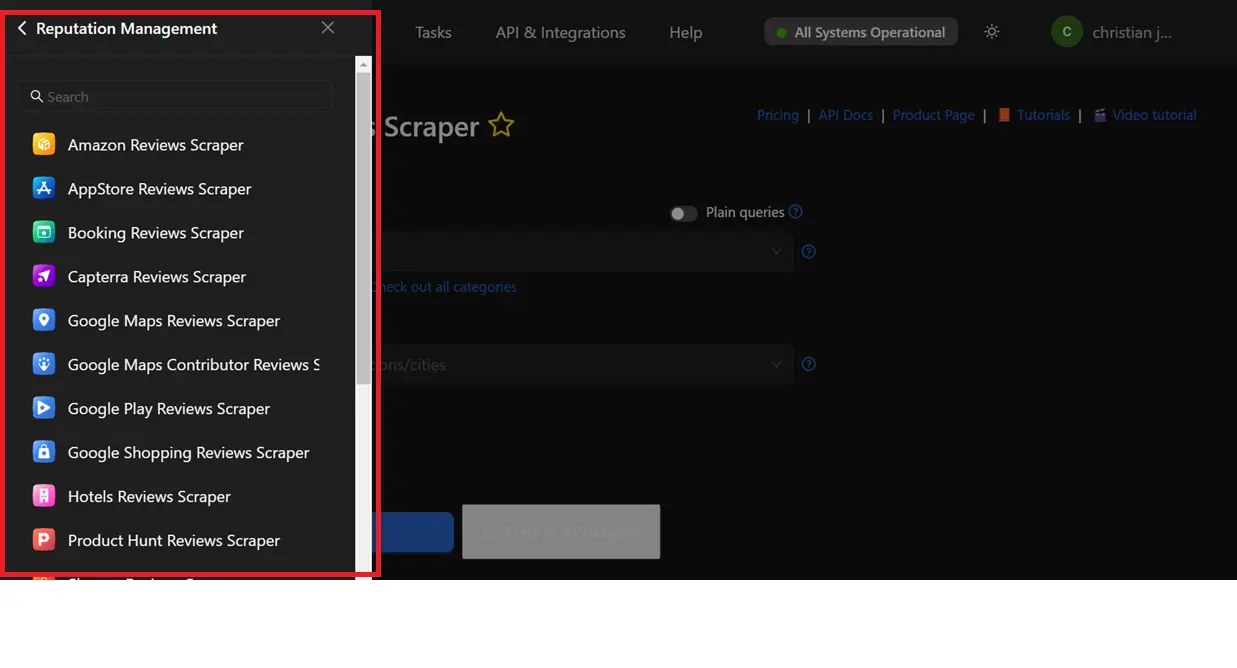
Choose a Suitable Scraper

There are a lot of options in Outscraper, especially in reputation management. The following will fit what the users need and their preferences in checking reviews of various industries.

There are a lot of options in Outscraper, especially in reputation management. The following will fit what the users need and their preferences in checking reviews of various industries. Amazon Reviews Scraper AppStore Reviews Scraper Booking Reviews Scraper Capterra Reviews Scraper Google Maps Reviews Scraper Google Maps Contributor Reviews Scraper Google Play Reviews Scraper Google Shopping Reviews Scraper Hotels Reviews Scraper Product Hunt Reviews Scraper Shopee Reviews Scraper Tripadvisor Reviews Scraper Trustpilot Reviews Scraper Trustpilot Reviews Summary Trustpilot Reviews Sentiment Analysis YouTube Comments Scraper
Choose Your Scraper

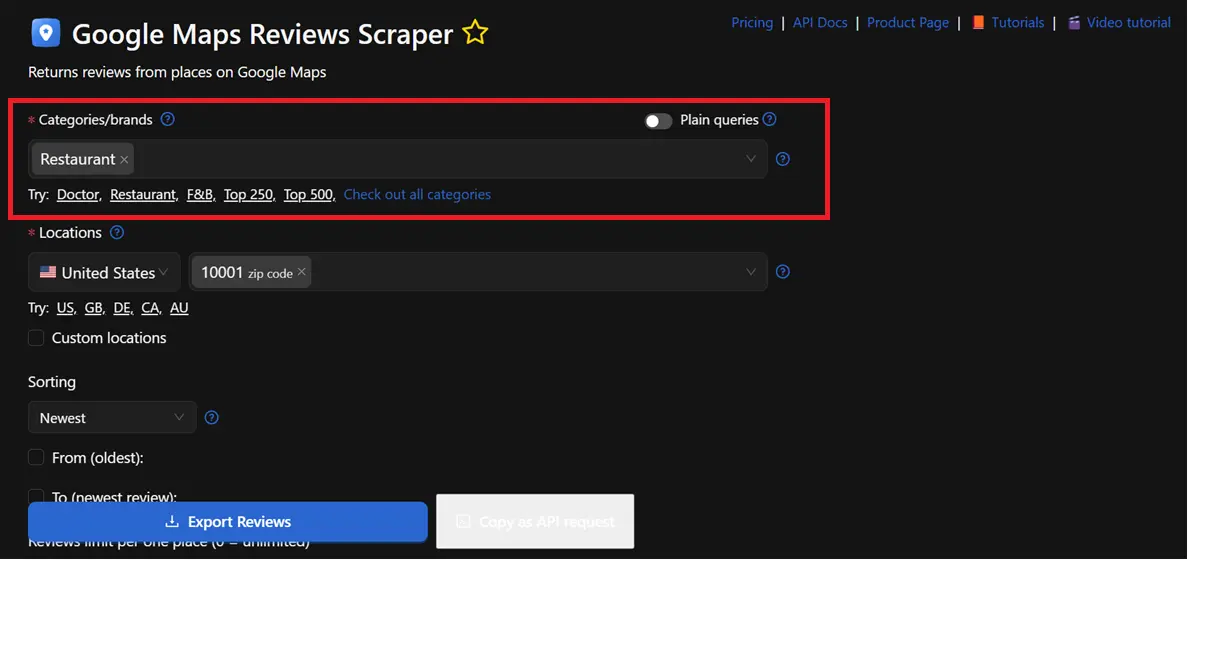
Identify Categories/Brands

In identifying Categories/Brands, choose the dropdown. The dropdown is based on the following list of categories. Users may use any other categories that will work on Google Maps.

Note:

Sometimes Google adds other categories to your searches. Use Filters from Advanced Parameters to get only the exact categories.

Choose Categories/Brands

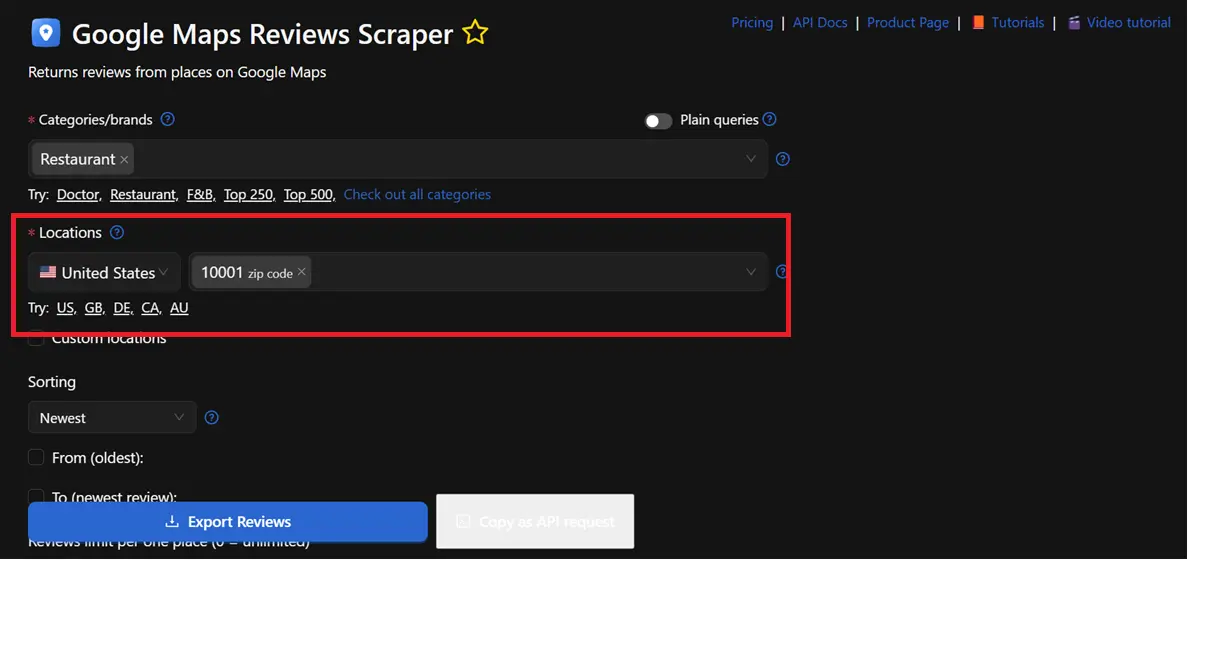
Choose Locations

In choosing locations, the users may select a country, states/jurisdictions/cities, and may use custom locations.

Additional features cover review limits per place and places per query search. Advanced parameters (Language, filtering, etc.), other parameters (result format, task tags).

Choose Locations

Export Reviews

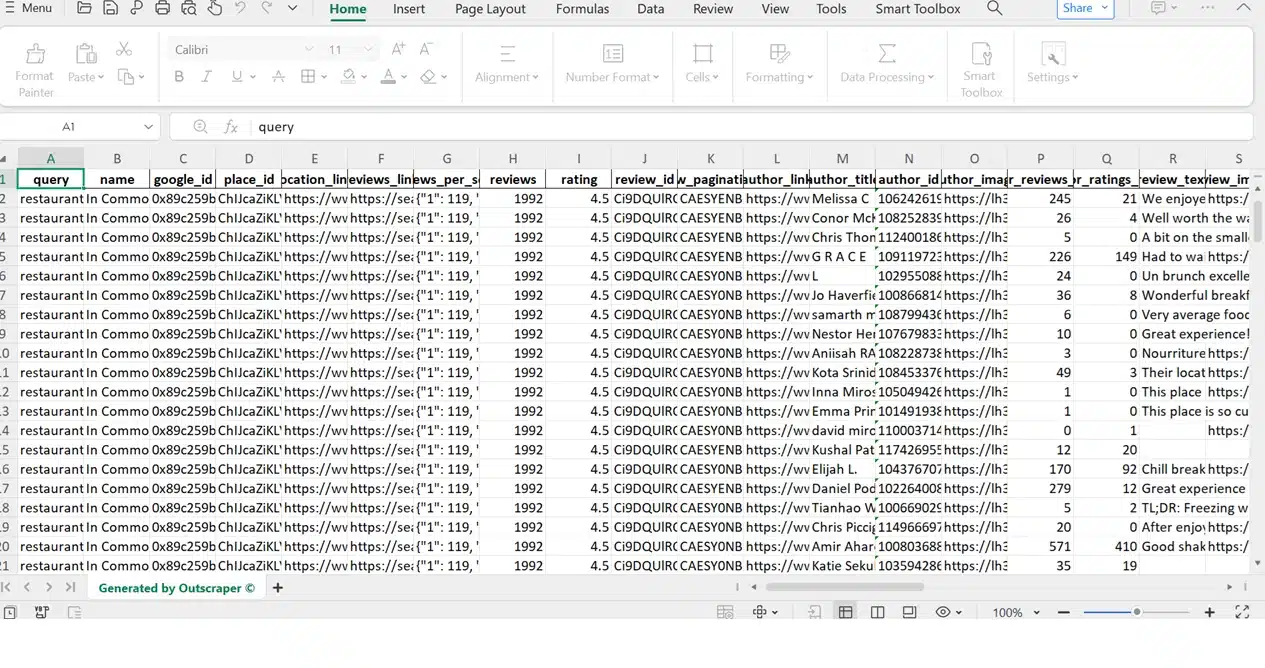
Exporting reviews in Outscraper, extracting structured review data from Google Maps, and downloading it in formats (XLSX, CSV, JSON, or Parquet) ready for analysis, CRM import, or reporting.

Sample Reviews Data

Conclusion

Negative reviews expose where businesses struggle to meet the expectations of customers. Patterns that will expose the urgency, budget pressure, and decision gaps. The repetition, recency, and relevance become a qualifying factor for negative reviews.

In collecting reviews at scale and analyzing them with structured data, you approach businesses with evidence, not opinion. This positions you as a problem solver who understands what is happening in reality. Tools such as Outscraper support this process by turning unstructured feedback into usable insight across locations and industries.

Sales opportunity discovery improves when you anchor outreach on verified pain points, clear patterns, and practical resolution paths. Businesses respond faster when they recognize their own issues reflected back with clarity and context. Negative reviews then shift from reputation risk to a starting point for informed, credible sales conversations.

FAQ

Most frequent questions and answers

Negative reviews signal customer dissatisfaction but can also enhance authenticity and drive sales from discerning buyers. They impact revenue by deterring impulse purchases while offering opportunities for improvement and engagement.

Qualifying opportunities from negative reviews involves scraping feedback for pain points, prioritizing high-intent signals like recent complaints, and personalizing outreach to convert dissatisfied businesses into leads.

Reputation management is the practice of monitoring, influencing, and improving public perception of a business or brand, especially online through reviews and social media. 

Google Maps serves as a public mapping platform providing geospatial data on businesses, landmarks, and properties, including user-generated details like photos, reviews, and contact information, which supports lead generation in digital marketing

Yes. You can use Emails & Contacts Scraper along with Google Maps scraper to enrich the data from Google. In order to do so, select “Emails & Contacts Scraper” in the “Enrich by other services” section on the Google Maps Scraper page.

No. All scraping activities occur on Outscraper servers, ensuring that your IP address is not utilized for data scraping. You can close your computer an the scraping task will still be running.

An API is a tool that lets you access Google Maps data automatically. With a scraper API, you can quickly gather the information you need.

Categories: Scraping

CJ

Content Writer