Das Inhaltsverzeichnis
A sales team can build a list of hundreds of companies and still have no clear reason to contact most of them today. B2B buying signals help sales teams narrow large prospect lists by showing changes, needs, or activity that may make a business worth a closer look.
These signals can include new locations, hiring activity, review patterns, leadership changes, business status, website presence, or direct buying activity.
For sales teams working with large amounts of business data, the goal is not to contact every company that fits the ICP. It is to find the accounts that deserve attention first.
A signal does not prove that a business is ready to buy. It gives you another reason to research, qualify, or prioritize that prospect.
Quick Answer: How B2B Buying Signals Help With Prospecting
B2B buying signals help sales teams decide which prospects deserve attention first.
- Identify the signals relevant to your target market
- Check for fit, recent changes, possible needs, and buying intent
- Combine more than one signal
- Check how recent the information is
- Prioritize the accounts worth researching first
- Use relevant signals to guide outreach

Use current local business data to qualify prospects and check for relevant signals before outreach.
What Are B2B Buying Signals?
B2B buying signals are observable changes, behaviors, or business attributes that give sales teams more context about a prospect.
They may point to ICP fit, a recent business change, a possible need, or stronger buying activity. A new location, a hiring push, a leadership change, rising review activity, or direct engagement can all give a sales team more information before outreach begins.
Business Signals vs. Buying Intent
A business signal does not always mean a company is ready to buy.
Some signals only show fit or recent activity. Buying intent is stronger and points to signs that a company may be actively researching or considering a solution.
Why ICP Fit Alone Is Not Enough
ICP fit tells you whether a company belongs on your target list.
It does not tell you which account deserves attention first. Recent changes, visible needs, and buying activity can help sales teams decide where to focus next.
Examples of B2B Buying Signals to Look For
B2B buying signals can show that a business is changing, facing a possible need, or showing stronger interest. The most useful signals are those that match your ICP and give you a reason to research the account further.
Business Growth and Hiring Signals
Expansion, new locations, new markets, and increased hiring can indicate that a business is growing or changing its operations.
These signals are most useful when the change connects directly to a need your product or service can address.
Review and Reputation Signals
Changes in ratings, review volume, or recurring customer complaints can provide useful context about a business.
Review patterns may point to service issues, operational pressure, or changes in customer demand, but they should usually be combined with other signals.
Company Change Signals
Leadership changes, funding, acquisitions, ownership changes, or business status updates can create new priorities inside a company.
Check whether the change is recent and relevant before treating it as a prospecting signal.
Intent Signals
Direct activity such as product-page visits, pricing-page visits, content downloads, demo requests, or replies can indicate stronger buying interest.
Intent signals are often more useful when they are combined with ICP fit, timing, and current business data.
The strongest prospecting decisions usually come from combining several relevant signals instead of relying on one signal alone.
How Business Signals Help You Qualify B2B Prospects
Business signals are more useful when they help answer a specific question about a prospect. Before outreach, sales teams can use them to check fit, spot recent changes, identify possible needs, and look for stronger buying intent.
Check Whether the Business Fits Your ICP
Start with the basic targeting criteria.
Business category, location, company size, number of locations, website presence, and business status can help determine whether an account belongs on your prospect list in the first place.
Google Business Profiles can include details such as categories, addresses, opening hours, websites, and other business attributes that help describe a company.
A strong signal has little value if the company does not fit the market you are trying to reach.
For local prospecting, you can also use Google Maps data to qualify high-intent local business leads based on category, location, ratings, reviews, website status and other business details.

Look for Recent Changes
Changes inside a business can give you a reason to look at the account again.
A new location, hiring activity, leadership change, funding event, or expansion may point to new priorities or changes in how the company operates.
The change itself is not proof of buying intent. It is a reason to do more research.
Look for Signs of a Relevant Need
Some business data can point to problems that may be related to your offer.
Examples include low ratings, recurring negative reviews, missing website information, outdated business details, or other visible gaps.
These signals become more useful when they match a problem your product or service can actually address.
Check for Stronger Buying Intent
Buying intent goes beyond general company activity.
Direct engagement, product research, pricing-page visits, requests for information, or comparisons between vendors can suggest that a prospect is actively looking at possible solutions.
These signals usually deserve more attention than fit or business changes alone, especially when the company already matches your ICP.
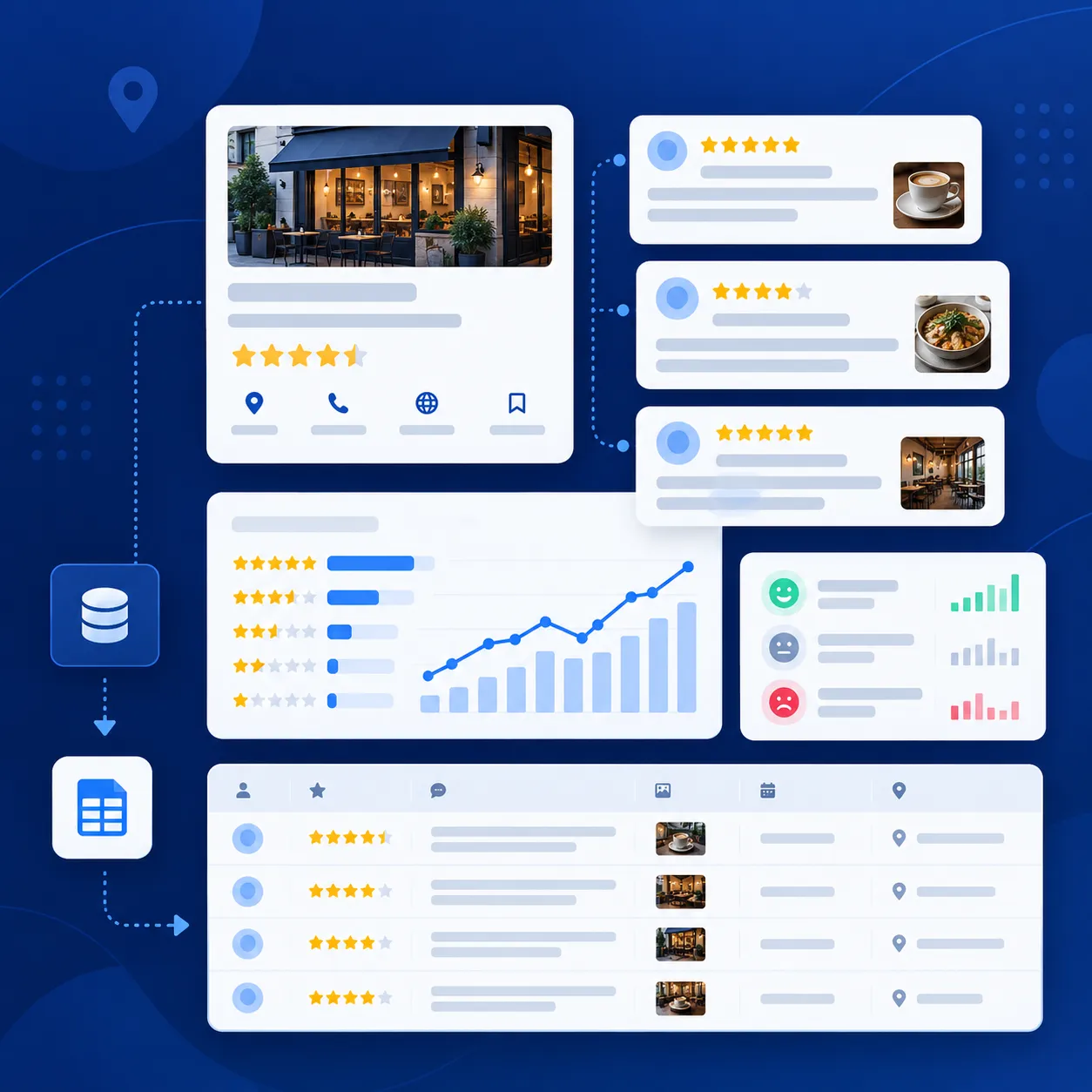
Use Outscraper’s Google Maps Bewertungen Scraper to collect customer review data for the businesses you are researching.
How to Prioritize Prospects Using More Than One Signal
One signal can be useful, but it rarely gives enough context on its own.
A business may match your ICP, open a new location, or show a rise in review activity. Each signal tells you something different. When several relevant signals appear together, the account may deserve closer attention.
Why One Signal Is Usually Not Enough
A single signal can be misleading.
A new location may show growth, but it does not tell you whether the business has a problem your offer can solve. A low rating may point to customer issues, but it does not mean the company is looking for help.
More context helps you decide whether the account is worth researching further.
Combine Fit, Change, Need, and Intent
A simple way to prioritize prospects is to look for signals that support each other.
Zum Beispiel:
- strong ICP fit + recent expansion
- strong ICP fit + visible need
- recent change + direct buying activity
- strong ICP fit + recent change + visible need
The more relevant signals you can confirm, the stronger the reason to review that prospect before outreach.

Build a Simple Prospect Priority Score
You do not need a complicated scoring system.
Start with a few factors that matter to your sales process:
- ICP match
- number of relevant signals
- how recent the signals are
- how closely the signals relate to your offer
- confidence in the data
The score is not meant to predict who will buy. It helps sales teams decide which accounts should be checked first.
Once you’ve identified relevant business signals, you can follow our signal-based prospecting workflow to collect supporting data, document your findings, and decide which prospects deserve further research.
Why Signal Timing Matters in B2B Prospecting
A useful signal can lose value as the business changes.
A recent hiring push, new location, leadership change, or direct product engagement may give you a reason to look at an account now. The same information may be less useful several months later.
For larger accounts, public company data for sales prospecting can provide newer signals such as expansion plans, leadership changes, financial updates, and business risks.
Recent Signals Usually Deserve More Attention
Recent activity gives sales teams a better picture of what is happening with the business today.
If a company opened another location last week, for example, that may be more relevant than an expansion announcement from two years ago.

Different Signals Stay Relevant for Different Lengths of Time
Not every signal ages at the same rate.
Direct buying activity can change quickly. A new location or major business expansion may remain relevant for longer. Review trends can also develop over time instead of appearing as a single event.
Rather than assigning the same deadline to every signal, check when it happened and whether it still relates to the prospect’s current situation.
Recheck the Business Before Outreach
Business information can change between the time a prospect enters your list and the time someone contacts them.
Before sending outreach, confirm that the business is still active, the signal is still relevant, and the details you plan to use are current.
This extra check can prevent outreach based on old information and help sales teams focus on signals that still have context.
How to Turn Business Signals Into Better B2B Outreach
Finding a useful signal is only part of the work. The next step is deciding whether it gives you a relevant reason to contact the business.
Start with the ICP
A signal should not replace basic qualification.
First check whether the business matches your target category, location, size, or other ICP criteria. A recent event does not make an account useful if the company was never a good fit.
Collect the Business Data You Need
Before outreach, check the information that helps you qualify the account.
Depending on your target market, this may include:
- business category
- Standort
- ratings and review count
- website presence
- Geschäftsstatus
- phone number
- email availability
- opening hours
These details can help confirm whether the business still fits your criteria and whether the signal is relevant.
Google Maps can also serve as a B2B prospecting data source when you need business categories, locations, ratings, websites, and other public business details in one place.

Verwenden Outscraper’s Email Scraper to find business contact details after you narrow your list to the accounts worth reviewing.
Look for a Clear Reason to Contact the Business
The signal should connect to a problem or situation your offer can address.
A new location may matter to one seller. A pattern of negative reviews may matter to another. The same signal will not be useful for every product or service.
Verify the Signal Before Outreach
Check that the information is current before using it in a message.
A business may have changed leadership again, updated its website, closed a location, or already fixed the issue you found.
Use the Signal as Context, Not as a Pitch
The signal can help make the message more specific, but it should not become the entire message.
Use it to show why you chose to contact that business, then connect it to a relevant problem or offer.
Final Checklist for Using B2B Buying Signals
Before outreach, check the following:
- Confirm the business matches your ICP
- Check for recent and relevant B2B buying signals
- Combine more than one signal when possible
- Verify the business data is current
- Prioritize the accounts worth reviewing first
- Use the signal as context for outreach
Verwenden Auskratzer to collect current business data, check relevant signals, and focus outreach on the accounts worth reviewing first.
FAQ
Häufigste Fragen und Antworten
Examples include hiring activity, leadership changes, business expansion, review activity, funding events, product research, pricing-page visits, and direct engagement with a company.
Prospecting signals are pieces of business information that help sales teams decide which accounts deserve more research or attention before outreach.
The most useful signals depend on your ICP and offer. Recent, relevant signals supported by other business information are usually more useful than a single signal alone.
Start with companies that match your ICP, then check recent business data, visible changes, possible needs, and stronger buying activity before outreach.
Yes. Public business data such as category, location, ratings, reviews, website presence, business status, and contact information can help qualify and prioritize prospects.


