목차
소개
Access to accurate and up-to-date information about healthcare providers is crucial for a well-functioning healthcare system. This data enables patients to make informed decisions about their care, allows healthcare organizations to manage their networks effectively, and supports research aimed at improving healthcare outcomes.
Patients struggle to find reliable doctors, dentists, and medical practices. Provider details often show outdated phone numbers, wrong locations, or missing specialties. This creates delays in care and poor decisions.
Also, when patients choose the wrong provider, they waste time and money. Missed referrals lead to untreated conditions. Healthcare groups face claim errors, failed credential checks, and weak network coverage.
This article explains how significant healthcare provider data is. How it plays as a central role in patient access, operational efficiency, and data-driven healthcare planning, and why the best extraction tool, such as Outscraper, allows organizations to build reliable provider intelligence at scale.
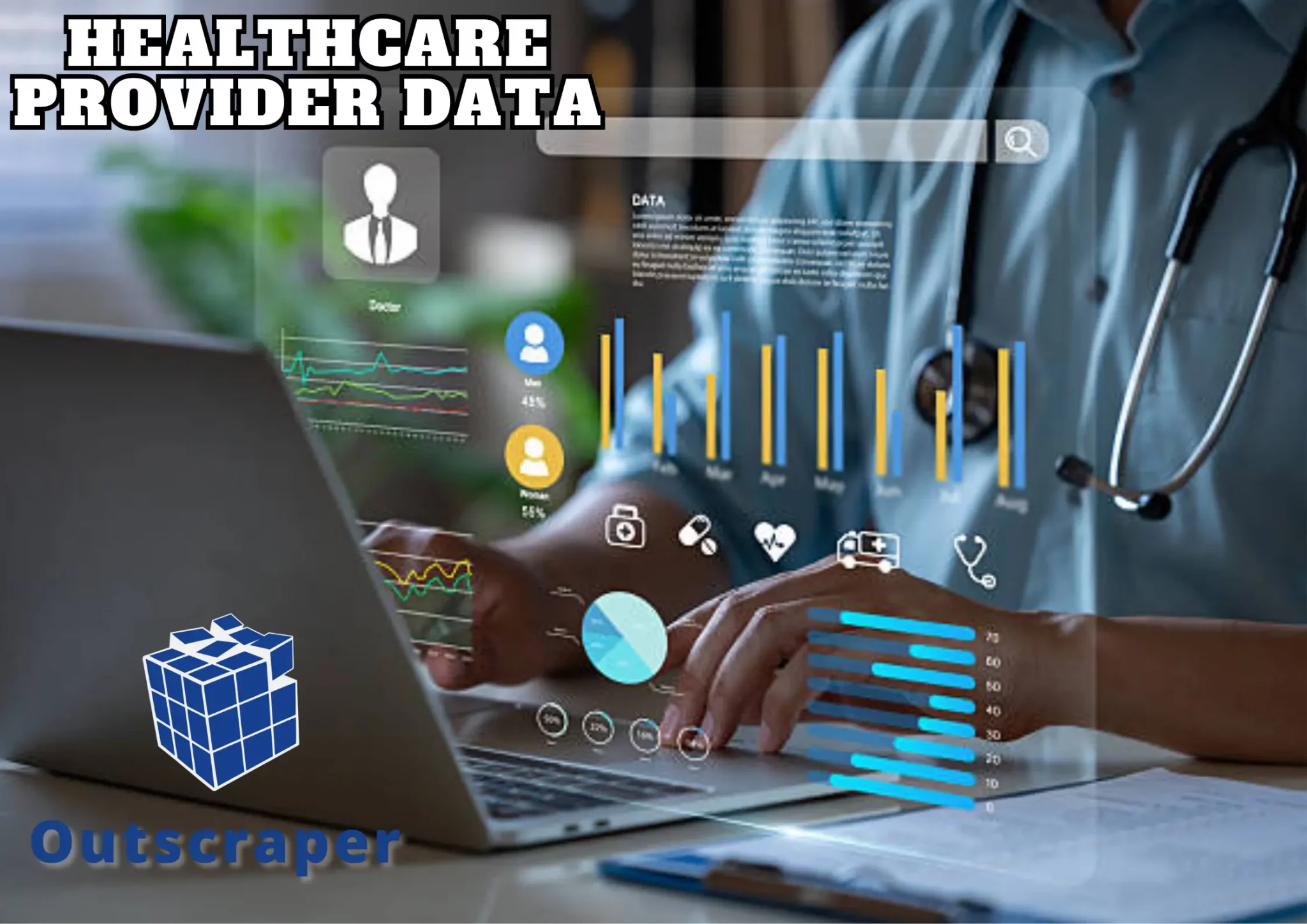
Why Healthcare Provider Data Matters
Healthcare provider data encompasses a wide range of information about individual healthcare professionals and organizations. This includes:
- Identification and Contact Information: Name, address, phone number, National Provider Identifier (NPI), and other identifying details.
- Specialty and Qualifications: Medical specialty, board certifications, licenses, education, and training.
- Affiliations: Hospitals, clinics, and other organizations with which the provider is affiliated.
- Network Participation: Insurance networks the provider participates in.
- Performance Data: Quality metrics, patient satisfaction scores, and other performance indicators (where available and appropriate).
- Services Offered: Specific medical services and procedures offered by the provider.
- Languages Spoken: Languages spoken by the provider and their staff.
- Accessibility Information: Information about the accessibility of the provider’s office for patients with disabilities.
The accuracy, completeness, and accessibility of this data are crucial for several reasons:
1. Empowering Patients and Improving Access to Care
- Informed Decision-Making: Patients need accurate information to make informed decisions about their healthcare. Provider data allows them to find providers who specialize in their specific condition, accept their insurance, and are located conveniently.
- Finding the Right Provider: Patients can use provider directories and online search tools to filter providers based on their needs and preferences. This helps them find a provider who is a good fit for their individual circumstances.
- Reducing Barriers to Care: Accurate provider data helps patients overcome barriers to care, such as difficulty finding a provider who speaks their language or is accessible to patients with disabilities.
- Streamlining the Referral Process: When primary care physicians have access to accurate specialist data, they can make more informed referrals, ensuring patients receive timely and appropriate care.
2. Supporting Healthcare Operations and Efficiency
- Provider Network Management: Health plans rely on accurate provider data to build and maintain their provider networks. This data is used to ensure that the network has adequate coverage in all geographic areas and that patients have access to a wide range of specialists.
- Claims Processing and Payment: Accurate provider data is essential for accurate claims processing and payment. Incorrect or outdated data can lead to claim denials, delays in payment, and administrative inefficiencies.
- Credentialing and Enrollment: Healthcare organizations use provider data to verify the credentials of healthcare professionals and enroll them in their systems. This process helps ensure that providers are qualified to provide care and that they meet all regulatory requirements.
- Compliance and Regulatory Reporting: Healthcare organizations are required to report provider data to various regulatory agencies. Accurate and complete data is essential for meeting these reporting requirements and avoiding penalties.
3. Enabling Population Health Management and Analytics
- Identifying Trends and Patterns: Analyzing provider data can help identify trends and patterns in healthcare utilization and outcomes. This information can be used to develop targeted interventions to improve population health.
- Measuring Performance and Quality: Provider data can be used to measure the performance and quality of healthcare providers. This information can be used to identify areas for improvement and to reward high-performing providers.
- Developing Value-Based Care Models: Accurate provider data is essential for developing value-based care models, which reward providers for delivering high-quality, cost-effective care.
- Supporting Research and Innovation: Provider data can be used to support research and innovation in healthcare. This data can be used to identify new treatments and therapies, 그리고 to improve the delivery of care.
4. Facilitating Interoperability and Data Exchange
- Seamless Data Sharing: Standardized provider data facilitates seamless data sharing between different healthcare organizations and systems. This is essential for improving care coordination and reducing medical errors.
- Improved Care Coordination: When providers have access to a patient’s complete medical history, they can make more informed decisions about their care. This leads to improved care coordination and better patient outcomes.
- Reduced Administrative Burden: Interoperability reduces the administrative burden on providers by eliminating the need to manually exchange information between different systems.
Benefits of Healthcare Provider Data
Benefits for Patients
- Informed Decision-Making: Patients can use provider data to find doctors, dentists, and medical practices that meet their specific needs, considering factors like location, specialization, insurance acceptance, and patient reviews.
- Improved Access to Care: Easily accessible provider directories help patients locate providers in their area, reducing barriers to care and improving overall health outcomes.
- Enhanced Patient Experience: Information about provider qualifications, experience, and patient satisfaction can help patients choose providers who are a good fit for their individual preferences and needs.
Benefits for Healthcare Organizations
- Network Management: Healthcare organizations can use provider data to manage their networks effectively, ensuring that they have an adequate supply of providers in all specialties and geographic areas.
- Credentialing and Verification: Accurate provider data is essential for credentialing and verifying the qualifications of healthcare providers, ensuring patient safety and quality of care.
- Quality Improvement: Provider data can be used to track and analyze provider performance, identifying areas for improvement and implementing quality improvement initiatives.
- Contracting and Reimbursement: Accurate provider data is necessary for accurate contracting and reimbursement, ensuring that providers are paid fairly for their services.
Benefits for Researchers
- Population Health Studies: Provider data can be linked to patient data to conduct population health studies, identifying trends in healthcare utilization and outcomes.
- Clinical Research: Provider data can be used to identify potential participants for clinical trials and to track the performance of providers participating in research studies.
- Healthcare Policy Analysis: Provider data can be used to analyze the impact of healthcare policies on provider behavior and patient outcomes.
Key Data Elements for Healthcare Providers
To be useful, healthcare provider data must include a comprehensive set of data elements. These elements can be broadly categorized as follows:
- Provider Identification:
- National Provider Identifier (NPI)
- Tax Identification Number (TIN)
- State License Number
- DEA Number (if applicable)
- Provider Demographics:
- 이름
- Gender
- Date of Birth
- Provider Contact Information:
- Practice Address(es)
- Phone Number(s)
- Fax Number(s)
- Email Address(es)
- 웹사이트
- Provider Specialization and Affiliations:
- Primary Specialty
- Secondary Specialties
- Board Certifications
- Hospital Affiliations
- Group Practice Affiliations
- Provider Insurance Acceptance:
- Accepted Insurance Plans
- Medicare/Medicaid Participation
- Provider Education and Training:
- 의과 대학
- Residency Program
- Fellowship Program
- Provider Practice Information:
- Languages Spoken
- Accessibility Information (e.g., wheelchair access)
- Hours of Operation
- New Patient Acceptance Status
- Quality and Performance Metrics (where available):
- Patient Satisfaction Scores
- Quality Measures
- Outcomes Data
Using Outscraper for Healthcare Provider Data
아웃 스크레이퍼 is known for business data extraction and an enrichment platform. Most of which is used for lead generation, marketing research, and data analysis, but it can also be widely used for healthcare provider data. Below is a step-by-step guide on how to use Outscraper in procuring healthcare provider data.
Step 1: Setting Up Your Account
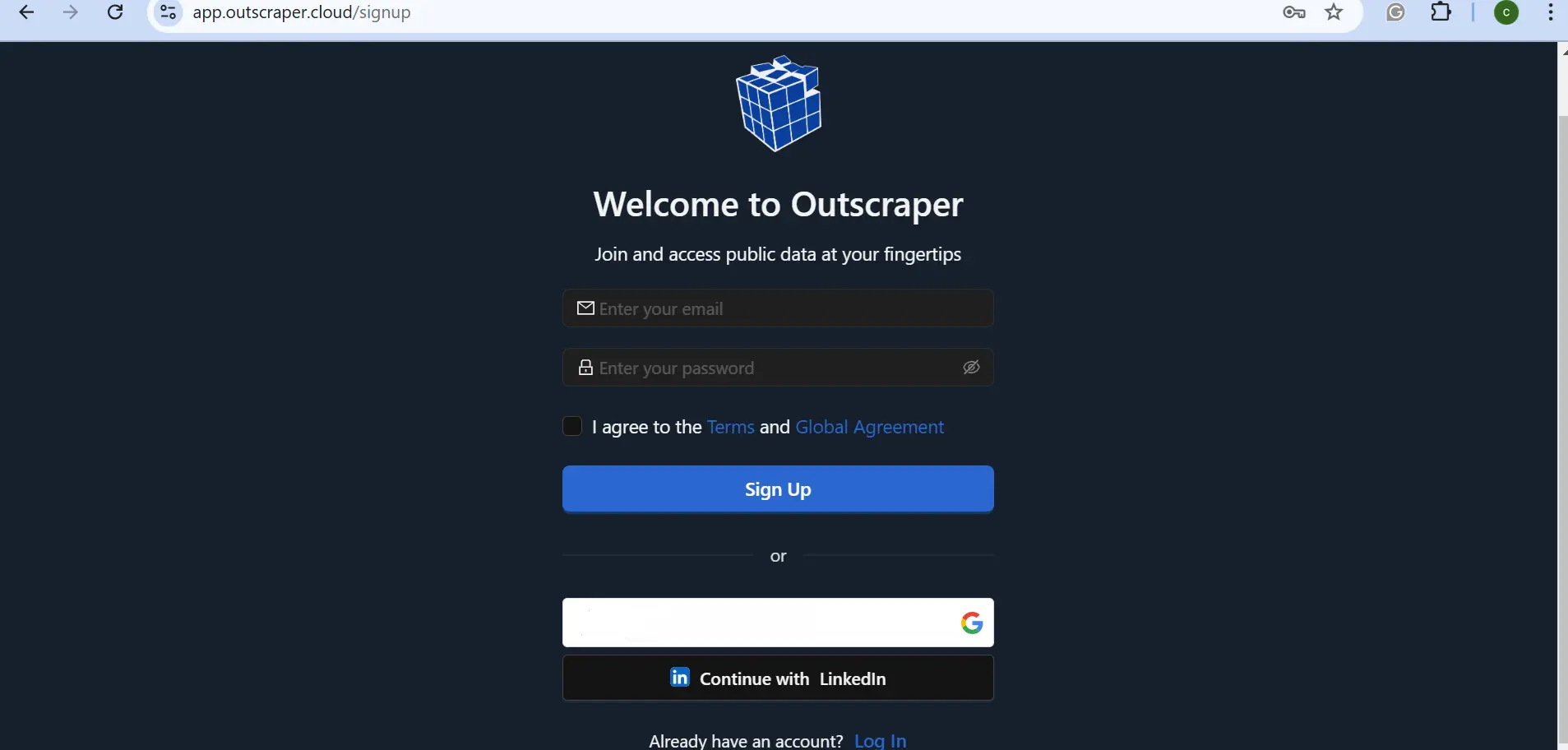
Before data extraction, secure your account with Outscraper. Use your preferred email and fill out the registration form.
- You can start with the free tier, but it will only allow 500 requests per month. To cover a large amount of data extraction, start to fund your account.
- Important notice: Outscraper has pay-as-you-go pricing, meaning users will only pay for data usage.
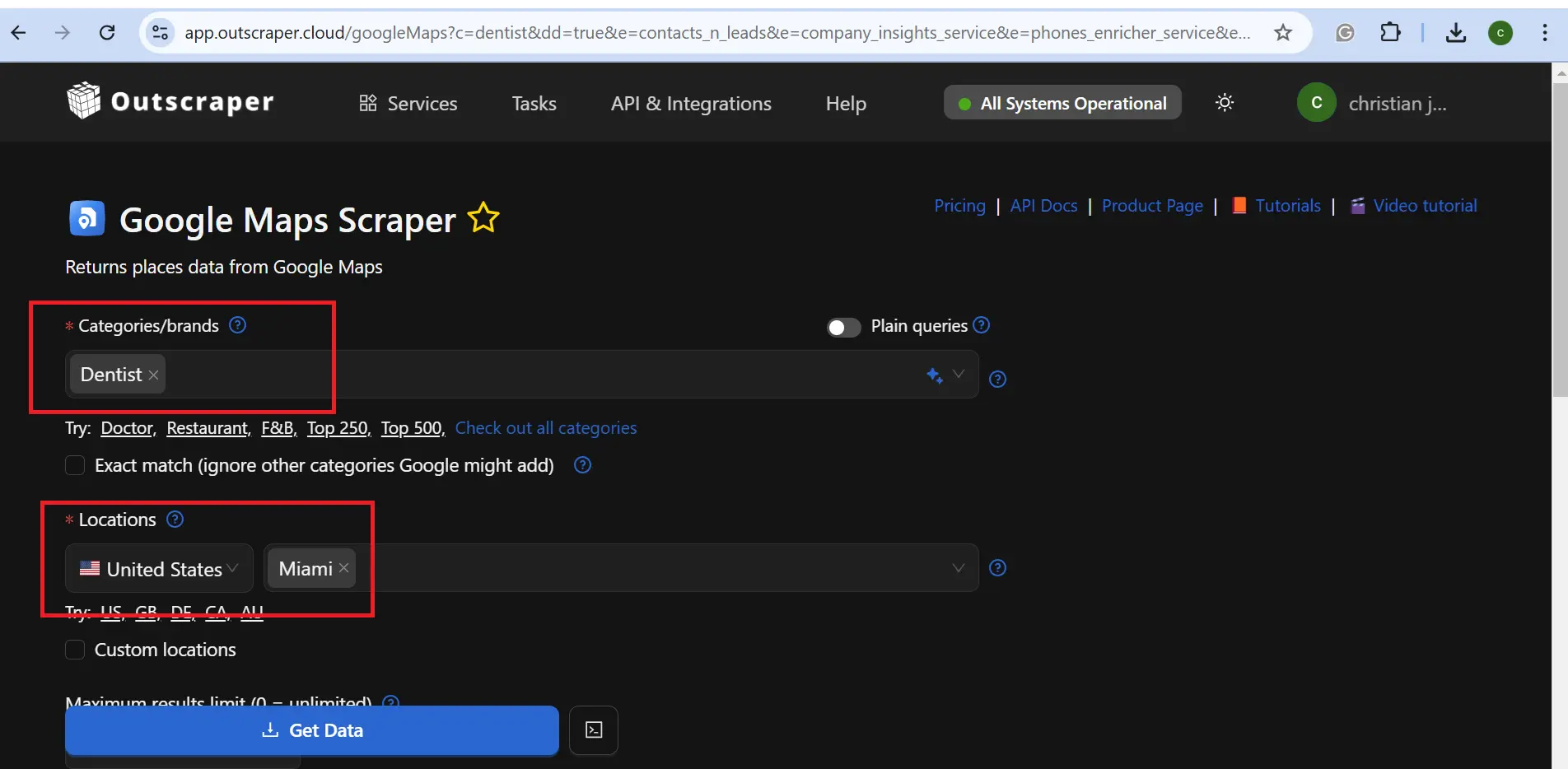
Step 2: Choose Filters
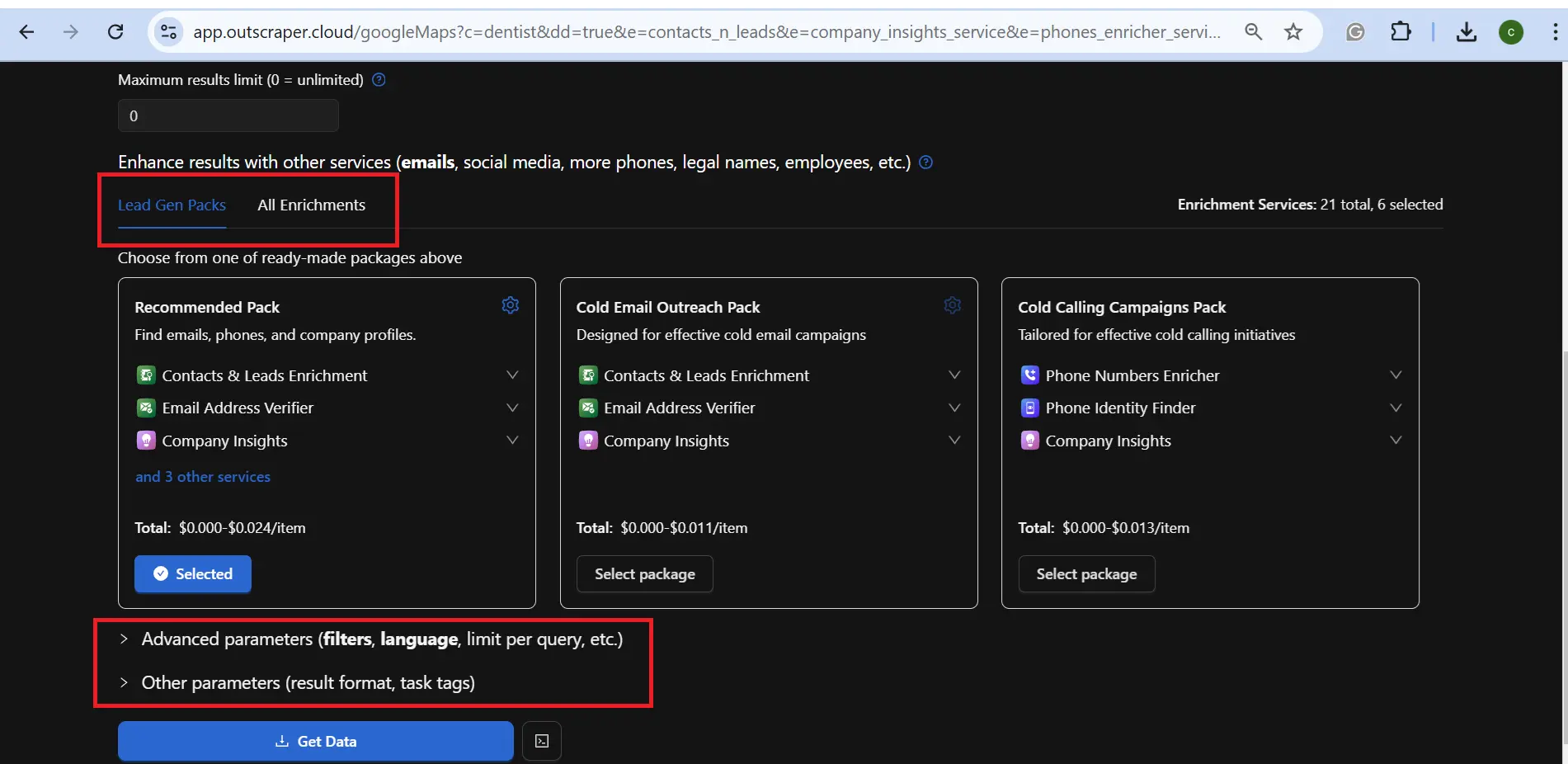
Choose filters to make it easier and specify the data that would be extracted. Below are the filters that help specify the data extraction:
- Categories/ Brands (choose categories)
- Location
- Maximum Results Limit
- Enrichments
- Advanced Parameters (filters, language, limit per query, etc.)
- Other Parameters (result format, task tags)
Step 3: Get Data
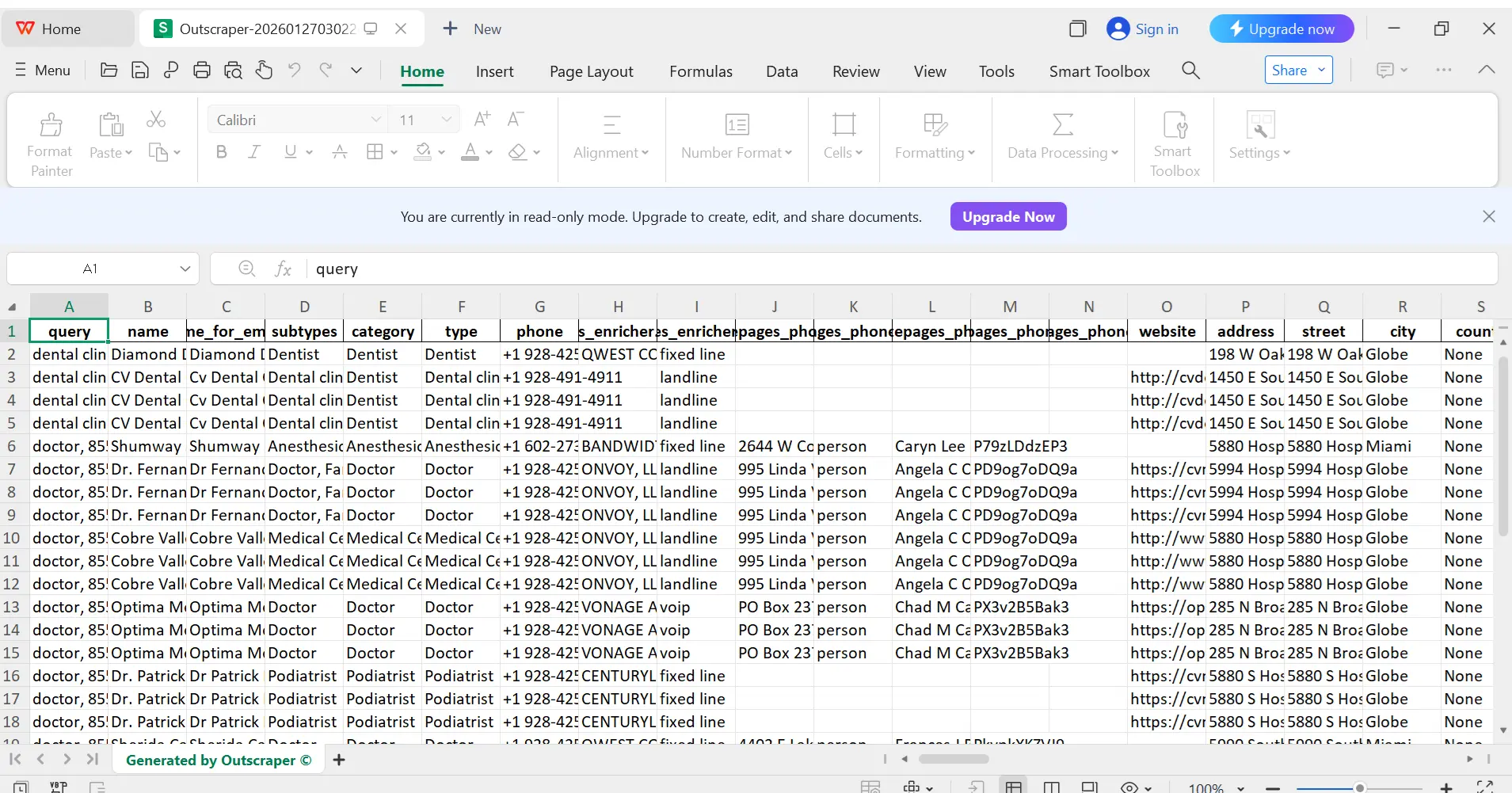
Get 데이터 allows users to check the queries requested and a rough estimate of the total data extracted, with the enrichments that are included. And more importantly, the data extracted (XLSX, CSV, JSON, Parquet).
Used Cases
The extracted healthcare provider data can be used for various purposes:
- Market Research: Analyze the competitive landscape, identify market trends, and assess the demand for specific healthcare services in different locations.
- Lead Generation: Generate leads for healthcare marketing campaigns, targeting specific demographics or geographic areas.
- Data Enrichment: Enhance existing healthcare databases with additional information, such as ratings, reviews, and services offered.
- Location-Based Services: Develop location-based applications that help patients find nearby healthcare providers based on their needs and preferences.
- Reputation Management: Monitor online reviews and ratings to identify areas for improvement and address patient concerns.
- Building a Healthcare Directory: Create a comprehensive directory of healthcare providers, making it easier for patients to find the right care.
결론
Accurate healthcare provider data supports patient access, operational efficiency, and data-driven planning across the healthcare system. The article shows how outdated or incomplete provider information 리드 to poor patient decisions, delayed care, claim errors, and administrative waste.
Reliable data on specialization, locations, affiliations, insurance participation, and accessibility helps patients choose the right doctors, dentists, and medical practices while helping organizations manage networks, credential providers, and meet compliance needs.
Healthcare organizations, researchers, and patients all depend on complete and structured provider data to reduce barriers to care, improve referrals, support population health analysis, and strengthen quality measurement.
Manual collection and fragmented sources fail to keep pace with these demands, especially at scale. Outscraper supports healthcare provider data collection by extracting and enriching public business and provider information from platforms such as Google Maps in structured formats. In building an accurate provider directory, improving network intelligence, supporting research, or monitoring reputation at scale, use Outscraper to turn public healthcare data into reliable provider intelligence.
자주하는 질문
가장 자주 묻는 질문과 답변
Healthcare provider data includes public business details like names, addresses, phones, emails, websites, ratings, and reviews for clinics, hospitals, and doctors, often sourced from Google Maps or directories.
Reputation management involves monitoring, influencing, and maintaining a positive public image for individuals, businesses, or brands, particularly online.
Sentiment analysis determines the emotional tone behind text data, classifying it as positive, negative, or neutral. Businesses apply it to customer feedback, social media, and reviews to gauge opinions and detect trends
Negative reviews signal customer dissatisfaction but can also enhance authenticity and drive sales from discerning buyers. They impact revenue by deterring impulse purchases while offering opportunities for improvement and engagement.
Qualifying opportunities from negative reviews involves scraping feedback for pain points, prioritizing high-intent signals like recent complaints, and personalizing outreach to convert dissatisfied businesses into leads.
Google Maps serves as a public mapping platform providing geospatial data on businesses, landmarks, and properties, including user-generated details like photos, reviews, and contact information, which supports lead generation in digital marketing
An API is a tool that lets you access Google Maps data automatically. With a scraper API, you can quickly gather the information you need.