Indice
Introduction
In the business setting, many professionals spend countless hours trying to identify potential clients, which can lead to frustration and inefficiency.
Traditionally, methods of lead generation often involve manual searches through various platforms, databases, and social media channels. This approach is not only time-consuming but also prone to errors and inconsistencies.
The lack of a systematic approach can lead to missed opportunities and wasted resources, ultimately affecting the bottom line. When businesses rely on outdated methods for lead generation, they risk falling behind their competitors who are using technology to improve their processes.
The consequences of ineffective lead generation can lead to lost sales, diminished brand reputation, and a decline in market share. Moreover, the frustration of manual searching can lead to burnout among sales teams, resulting in decreased morale and productivity.
The solution to these challenges lies in automating the processes of contact discovery. In this article, you will learn about advanced tools and software that can help businesses with their lead generation efforts, allowing them to focus on what truly matters, such as building relationships and closing deals. Automation tools like Outscraper can quickly gather and analyze data from various sources, providing a quality list of potential leads that match their ideal customer profile. This not only saves time but also enhances the quality of leads generated.
Understanding Contact Discovery
Contact discovery is the process of finding and gathering information about potential contacts, such as email addresses, phone numbers, and social media profiles. This information is crucial for businesses, marketers, sales teams, and researchers who need to connect with specific individuals or organizations for networking, outreach, or lead generation purposes.
Traditionally, contact discovery involved manual research, which could be time-consuming and inefficient. However, with the advent of automation tools, this process has become more efficient, allowing users to quickly gather accurate and relevant contact information.
Importance of Contact Discovery
Contact discovery refers to the systematic approach of finding e l' collecting information about individuals or organizations that could be valuable for networking, sales, or collaboration. This process can include gathering data such as names, email addresses, phone numbers, social media profiles, and other relevant details that facilitate communication and relationship building.
- Generazione di lead: For sales and marketing teams, discovering new contacts is essential for generating leads and expanding their customer base. Automated contact discovery tools can help identify potential clients based on specific criteria, such as industry, location, or job title.
- Networking: Professionals often need to connect with others in their field for collaboration, mentorship, or partnership opportunities. Automating contact discovery can help individuals find relevant contacts within their industry.
- Market Research: Researchers and analysts can use automated tools to gather contact information for surveys, interviews, or data collection, making it easier to reach out to a diverse range of participants.
- Event Planning: Organizers of conferences, webinars, or networking events can benefit from automated contact discovery by identifying potential attendees or speakers based on their expertise and relevance to the event.
Methods of Contact Discovery
Contact discovery is an essential process that can significantly enhance networking, marketing, and business development efforts. To effectively identify and connect with potential contacts, there are methods of contact discovery that help gather these leads. The following are as follows:
Social Media Platforms
Social media is a powerful tool for contact discovery. Platforms that allow users to search for individuals based on industry, location, and interests. Engaging with content and participating in discussions can also lead to valuable connections.
Networking Events
Attending industry conferences, seminars, and networking events provides opportunities to meet potential contacts face-to-face. These events often facilitate introductions and allow for meaningful conversations that can lead to lasting relationships.
Online Databases and Directories
Various online databases and directories that offer comprehensive lists of contacts within specific industries. It allows variations and pinpoints leads that have higher delegation for further partnership opportunities.
Referrals and Recommendations
Leveraging existing connections for referrals can be an effective way to discover new contacts. Asking for introductions from mutual acquaintances can lead to warm connections and increase the likelihood of successful outreach.
Email Campaigns
Sending targeted email campaigns can also serve as a method of contact discovery. By analyzing responses and engagement metrics, businesses can identify interested individuals and gather additional information for future outreach.
Webinars and Online Workshops
Hosting or participating in webinars and online workshops can attract individuals interested in specific topics. These events provide an opportunity to connect with participants and gather contact information for follow-up.
Web Scraping
This technique involves extracting data from websites automatically. Web scraping tools such as Outscraper can gather contact information from social media platforms, professional networking sites, and company websites.
Technologies Involved in Automating Contact Discovery
Automating contact discovery is a crucial aspect of modern business operations, enabling organizations to effectively gather and manage contact information. Several technologies and tools are commonly used in automating contact discovery:
- APIs (Application Programming Interfaces)
Many platforms offer APIs that allow users to access their databases programmatically. For example, Outscraper’s API can be used to retrieve contact information for users who have opted to share their data. - Data Enrichment Tools
These tools enhance existing contact lists by adding missing information, such as email addresses or phone numbers, using various data sources. - Machine Learning and AI
Advanced algorithms can analyze patterns in data to identify potential contacts based on user-defined criteria. Machine learning models can improve the accuracy of contact discovery over time. - CRM Systems
Customer Relationship Management (CRM) systems often include features for contact discovery, allowing users to automate the process of adding new contacts and managing existing ones.
The Significance of Automating Contact Discovery
Lead generation is often a time-consuming process that involves researching potential clients, gathering contact information, and qualifying leads. Traditional methods can be inefficient and may lead to missed opportunities. Automating contact discovery allows businesses to:
Increase Efficiency
Automation tools can quickly gather and organize data, freeing up valuable time for sales teams to focus on closing deals rather than searching for leads.
Enhance Accuracy
Automated systems reduce the risk of human error in data entry and ensure that the information collected is up-to-date and relevant.
Scale Efforts
As businesses grow, the volume of leads to be discovered increases. Automation enables companies to scale their lead generation efforts without a proportional increase in resources.
Improve Targeting
Advanced algorithms can analyze data to identify the most promising leads based on specific criteria, ensuring that sales teams are focusing their efforts on high-potential prospects.
Cost-Effectiveness
By reducing the need for extensive manual labor, automation can lower operational costs associated with contact discovery.
Best Practices for Automating Contact Discovery
Automating contact discovery can significantly enhance your organization’s ability to identify and engage potential leads. By following these best practices, you can ensure that your automation efforts are effective, compliant, and aligned with your business objectives:
1. Define Your Ideal Customer Profile (ICP)
Before diving into automation, it’s essential to have a clear understanding of your ideal customer profile. This includes demographic information, industry, company size, and pain points. Having a well-defined ICP will help you tailor your search and improve the quality of leads generated.
2. Integrate with Your CRM
Ensure that your contact discovery tools integrate seamlessly with your Customer Relationship Management (CRM) system. This will allow for easy tracking of interactions and help maintain a centralized database of leads.
3. Regularly Update Your Data
Automated systems can sometimes pull outdated or incorrect information. Regularly review and update your lead database to ensure accuracy and relevance. This can be done through periodic audits or by using tools that automatically verify contact information.
4. Use Multiple Sources
Relying on a single source for lead generation can limit your reach. Use a combination of tools and platforms to gather leads from various channels, including social media, industry databases, and networking events.
5. Monitor and Analyze Performance
Track the performance of your automated lead generation efforts. Analyze metrics such as open rates, response rates, and conversion rates to identify areas for improvement. This data can inform future strategies and help refine your approach.
6. Personalize Outreach
While automation can streamline the discovery process, personalizing outreach is still crucial. Use the information gathered during the contact discovery phase to tailor your messages and make them more relevant to each lead.
Outscraper As Contact Discovery Tool
Outscraper is a business data extraction tool that collects valuable business insights from multiple online sources. It provides users with the capability to gather information from websites, social media platforms, and other online databases. Integrating Outscraper into your contact discovery workflow involves several steps:
Step 1: Define Your Objectives
Before starting the integration process, clearly define your objectives. Determine the specific data you need, the sources you want to scrape, and how you plan to use the collected information.
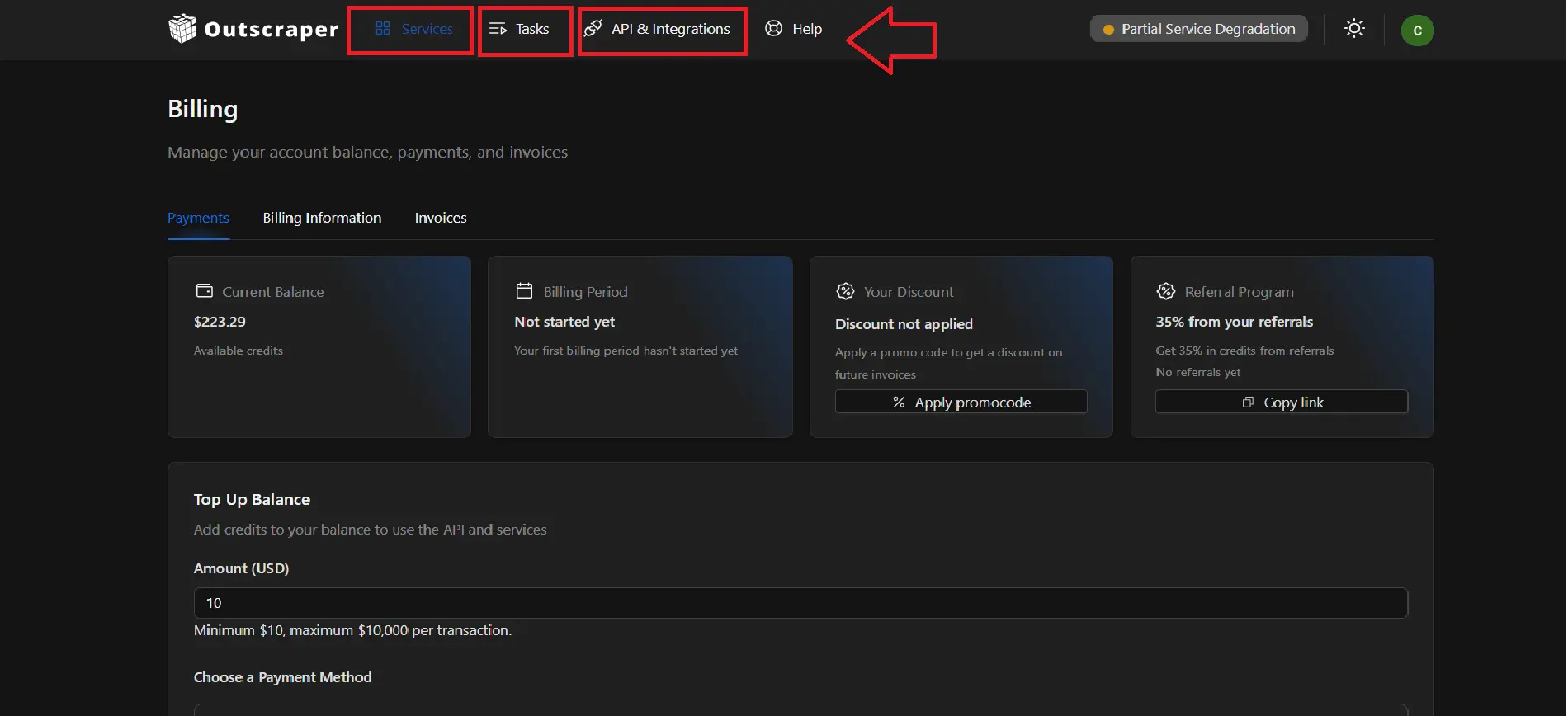
Step 2: Set Up Your Outscraper Account
Create an account on the Outscraper platform. Familiarize yourself with the interface and available features to maximize your usage. And be mindful that the free tier only gives 500 requests per month. Excess or additional requests are bound to pay-as-you-go pricing.
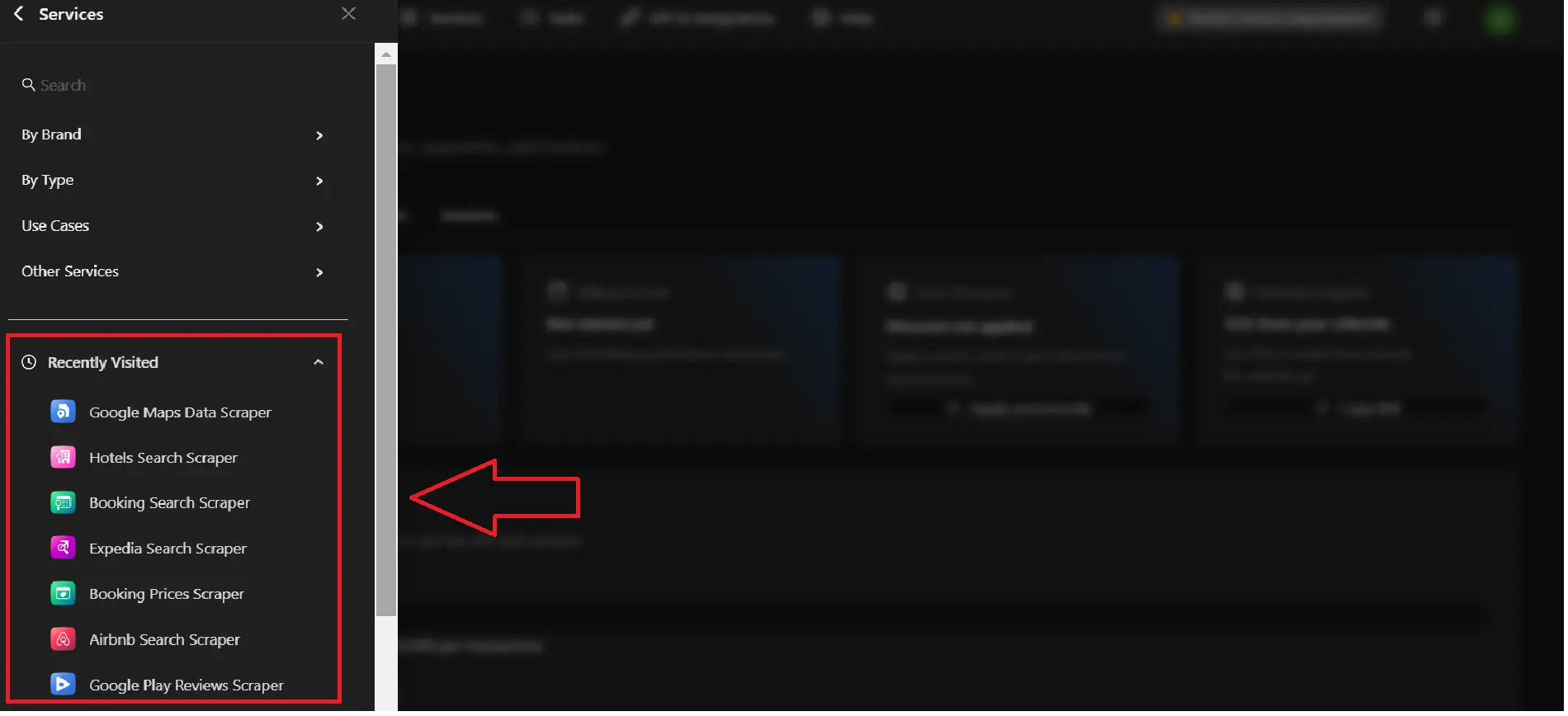
Step 3: Customize Your Scraping Parameters
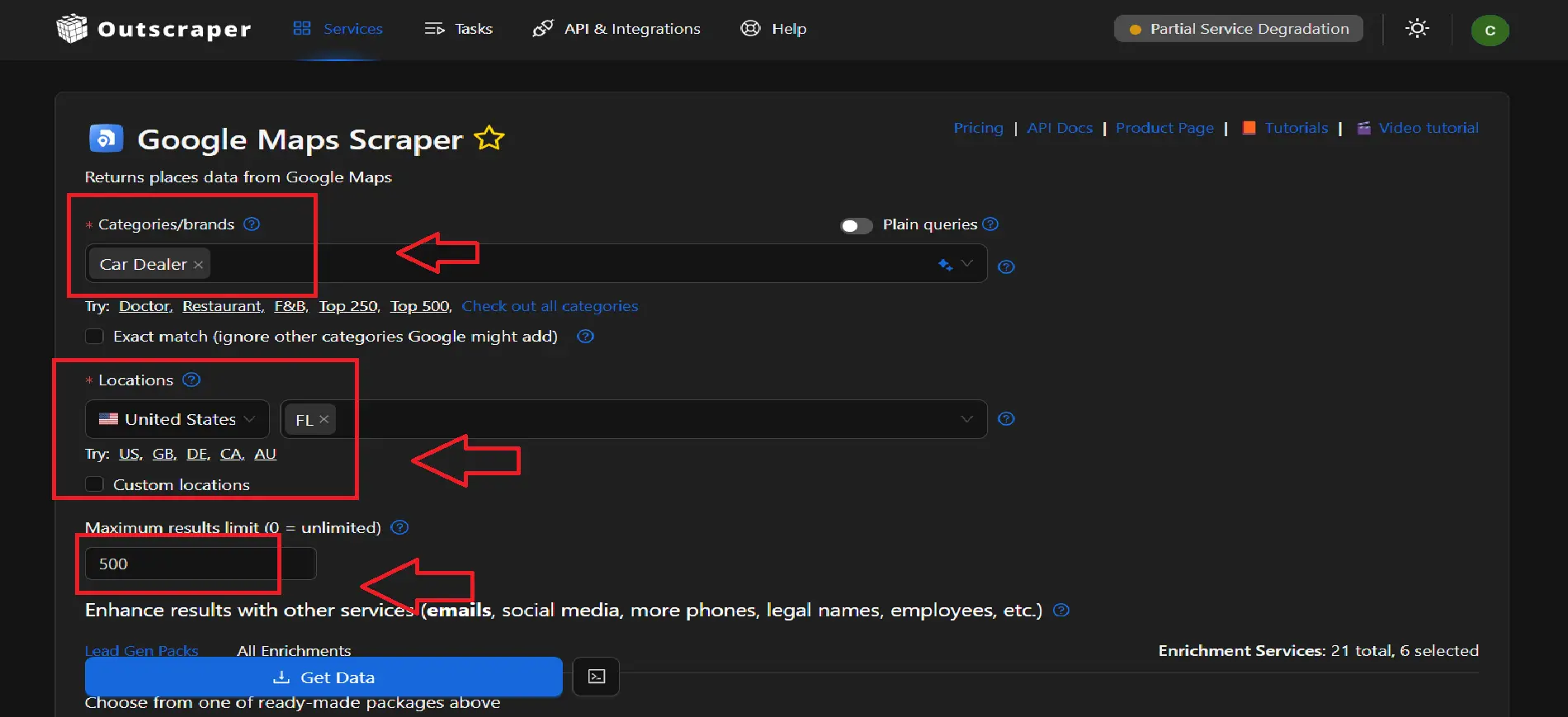
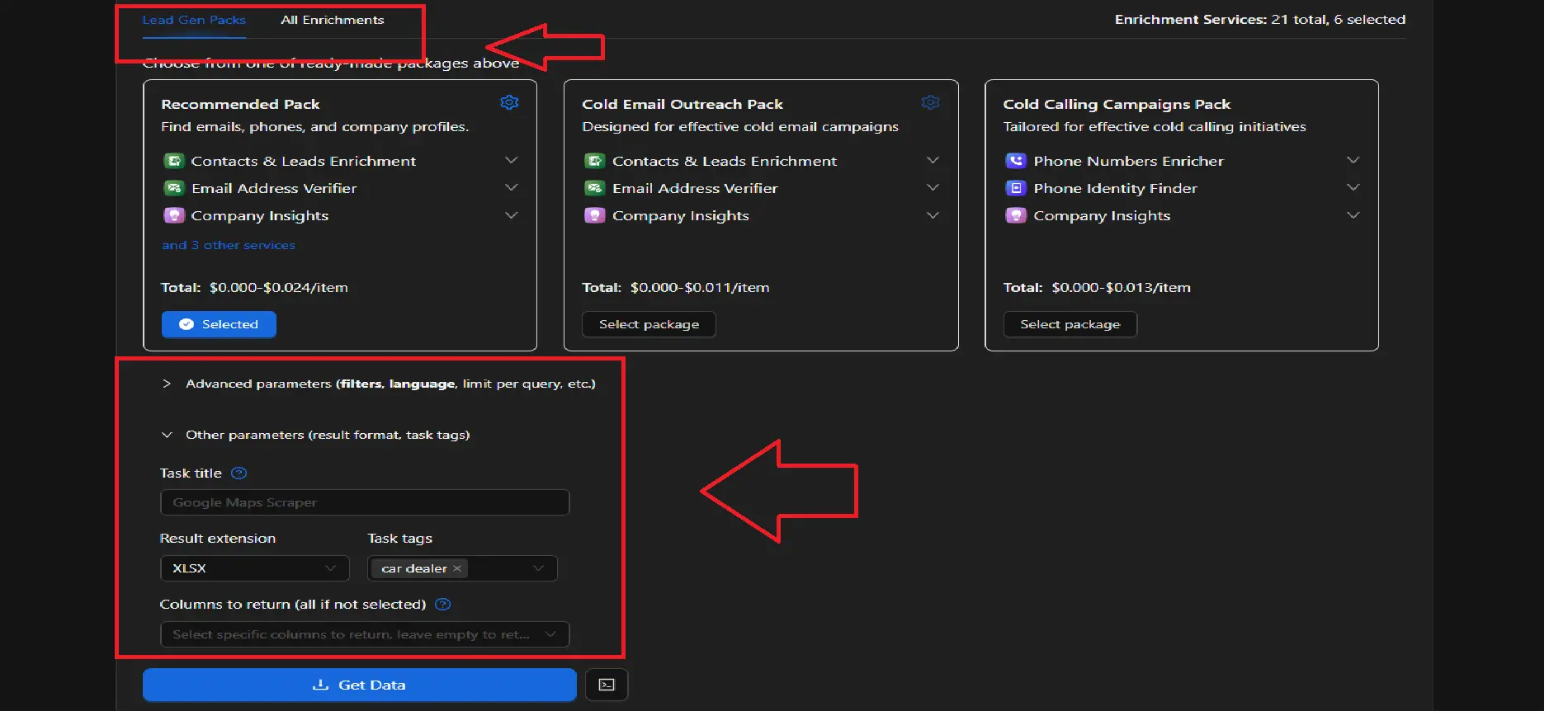
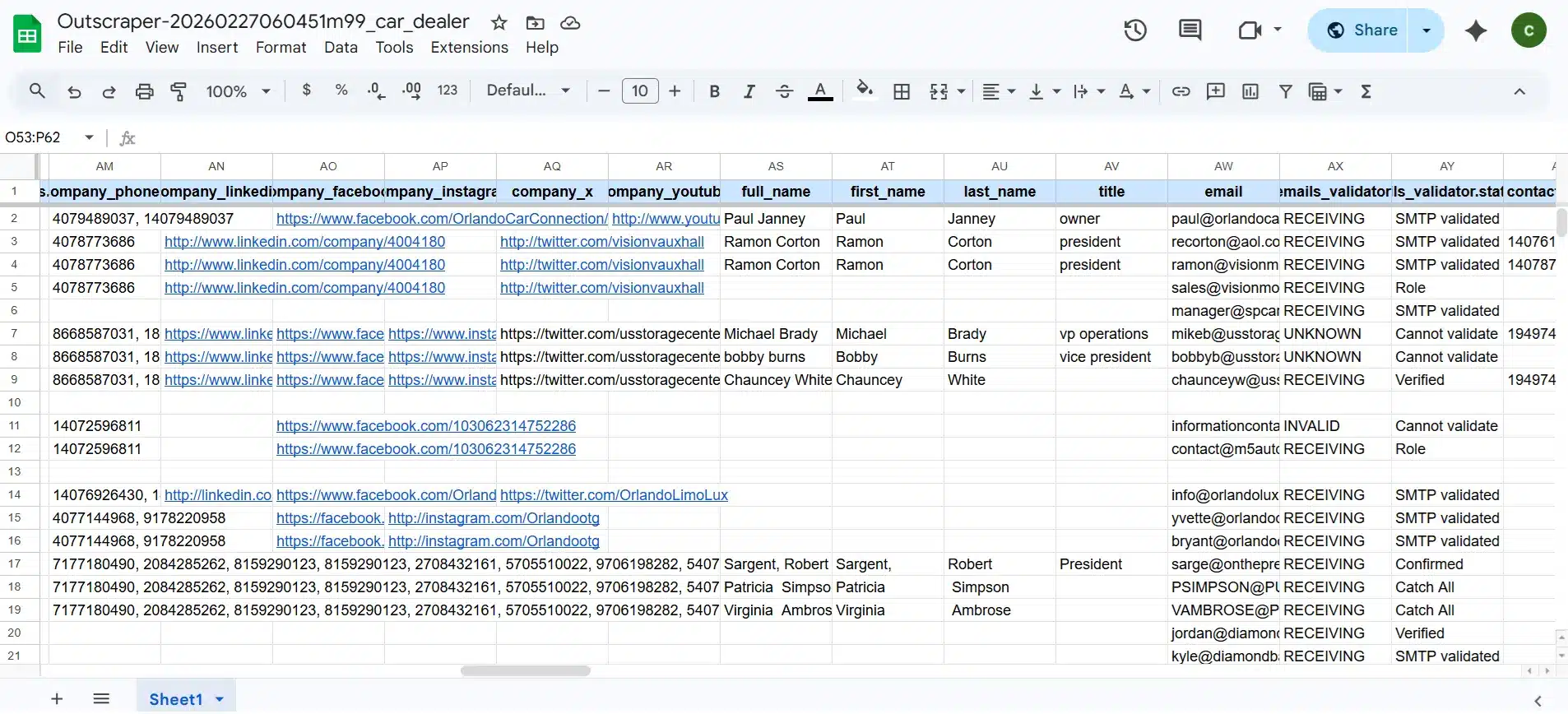
Utilize Outscraper’s customizable scraping options to set parameters that align with your objectives. Specify the categories/brands, location, limits per query, enrichments, and formats such as XLSX, CSV, JSON, or Parquet.
Step 4: Using API (if applicable)
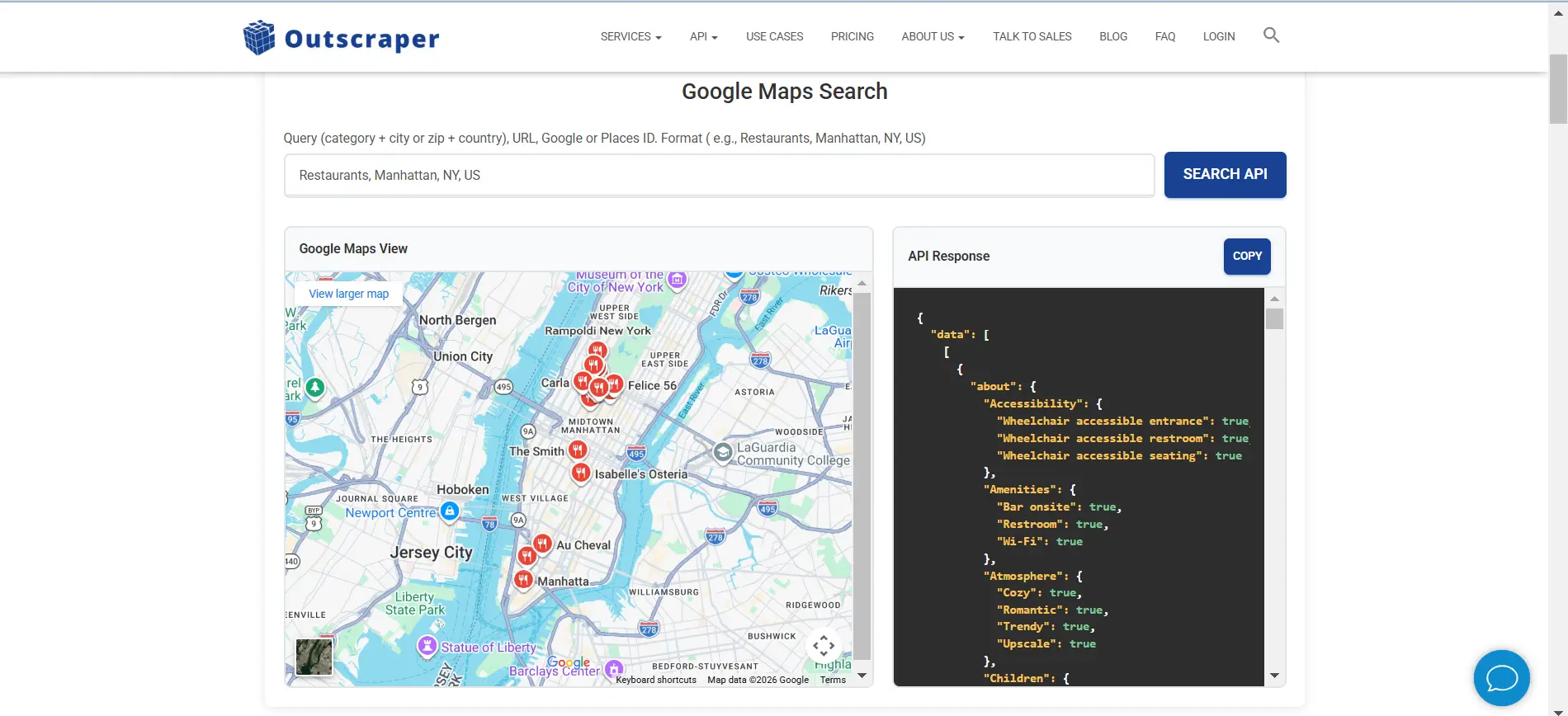
If you are a developer or have access to technical resources, consider using API di Outscraper to integrate its functionalities directly into your applications. This can enhance automation and streamline your contact discovery process.
Step 5: Analyze Data
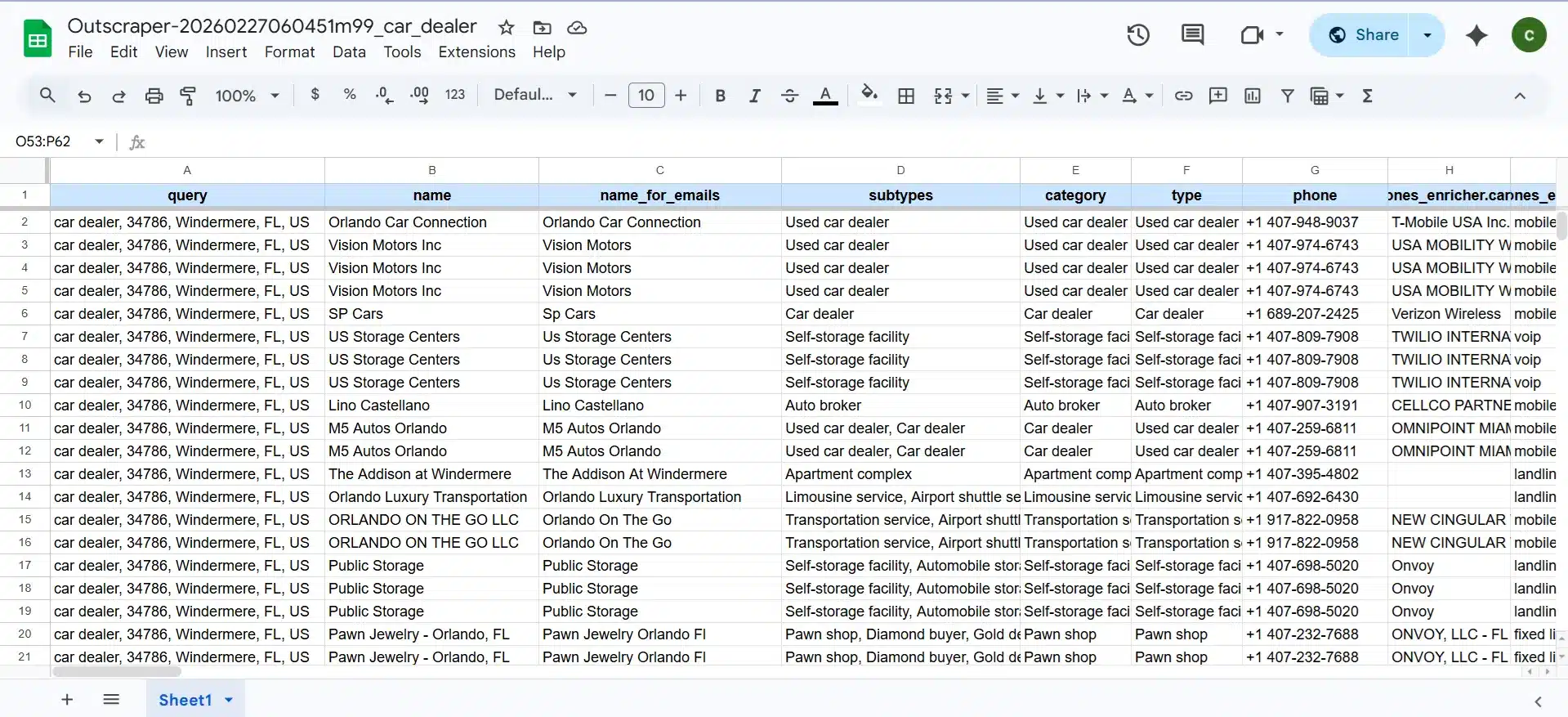
After integration, continuously monitor the performance of your scraping efforts. Analyze the dati collected and make adjustments to your parameters as needed to improve results.
Conclusione
Manual lead searching drains time, increases errors, and limits growth. When your team depends su scattered platforms, manual copy e l' pasta, and inconsistent data sources, you lose speed and precision. This directly affects revenue, sales performance, and team morale.
Automated contact discovery solves this problem by systematizing how you find, collect, e manage contact data. It improves efficiency, strengthens targeting, reduces human error, and allows your sales team to focus on outreach and closing. By defining your ideal customer profile, integrating with your CRM, maintaining clean data, and tracking performance metrics, you build a scalable lead generation process.
Tools such as Outscraper support this automation by extracting structured business data from multiple online sources. With customizable scraping filters, API access, and flexible export formats, you gain control over how you gather and use contact information. When aligned with a clear objective and proper data management, it becomes a practical asset in your lead generation workflow.
If you want to stop wasting hours searching for leads and start building a repeatable contact discovery system, implement automation in your process. Set up your Outscraper account, define your data requirements, and integrate it into your workflow to improve how you identify and qualify prospects.
Domande frequenti
Domande e risposte più frequenti
Contact discovery is the process of identifying, verifying, and collecting contact details like emails, phone numbers, job titles, and social profiles for potential customers or decision-makers
Affiliate marketing is a performance-based strategy where individuals or businesses (affiliates) promote another company’s products or services online and earn commissions for driving traffic, leads, or sales.
A hotel price comparison website is an online platform that aggregates and compares room rates, availability, and deals for hotels (and often other accommodations like resorts or B&Bs) across multiple booking sites.
A Restaurant and Hospitality Business Database is a specialized dataset compiling detailed information on restaurants, hotels, and related hospitality venues for B2B purposes like lead generation and market analysis.
Reputation management involves monitoring, influencing, and maintaining a positive public image for individuals, businesses, or brands, particularly online.
Sentiment analysis determines the emotional tone behind text data, classifying it as positive, negative, or neutral. Businesses apply it to customer feedback, social media, and reviews to gauge opinions and detect trends
Negative reviews signal customer dissatisfaction but can also enhance authenticity and drive sales from discerning buyers. They impact revenue by deterring impulse purchases while offering opportunities for improvement and engagement.
Qualifying opportunities from negative reviews involves scraping feedback for pain points, prioritizing high-intent signals like recent complaints, and personalizing outreach to convert dissatisfied businesses into leads.