目次を見る
はじめに
リードジェネレーションは、ビジネスの成長を妨げる課題に直面している。従来の方法では、コールドコールやネットワーキング・イベント、リストの購入といった時代遅れの手法に頼ることが多い。これらのアプローチは時間がかかり、労働集約的で、質の低いリードを生み出すことがよくあります。. 事業内容 頻繁に 時間的にも金銭的にも大きな資源を、以下のような戦略に投資していることに気づく。 なかれ 望ましい結果をもたらす。.
さらに、消費者行動の状況は劇的な変化を遂げている。潜在的な顧客は、より多くの情報に接し、選択するようになり、企業が彼らの関心を引くことはますます難しくなっている。. 従来のリードジェネレーションの非効率性は、次のようなものだ。 続く 無駄な予算とチャンスを逃し、最終的には ため 要するに.
この記事では、Outscraperがどのように高度な技術を使用しているかを説明します。 データスクレイピング テクノロジーにより、さまざまなオンライン・ソースから高品質のリードを収集しています。このアプローチは時間を節約するだけでなく、生成されたリードの質を高め、最終的にROIを向上させます。.
リードジェネレーションを理解する
リードジェネレーションとは、製品やサービスに興味を示している潜在顧客(リード)を特定し、惹きつけるプロセスを指します。 このプロセスは、コンテンツマーケティング、ソーシャルメディアエンゲージメント、Eメールキャンペーンなど、様々なマーケティング戦略によって達成することができます。主な目標は、セールスファネルを通してリードを育成することにより、これらのリードを有料顧客に転換することです。.
リードの種類
- マーケティング適格リード(MQL):マーケティング活動に参加したものの、まだ購入に至っていないリードです。このあたり 31%が変換される これらのチャネルを通じてリソースをダウンロードしたり、ニュースレターを購読したり、コンテンツに興味を持ったり。.
- 営業適格リード(SQL):これらのリードは、より高い関心を示しており、顧客に転換する可能性が高いと考えられています。一般的には 3%の換算レート、, これは、反応し、行動を起こした顧客を意味します。デモをリクエストしたり、問い合わせフォームに記入したり、明確な購入意思を示したり。.
- 製品適格リード(PQL):これらのリードは、貴社の製品を使用し、アップグレードや追加機能の購入に興味を示しています。これらのリードは、無料トライアルやフリーミアムモデルを通じて生成されることがよくあります。.
インバウンドリード(顧客主導型)
インバウンドリードとは、通常、見込み客を惹きつけるコンテンツやマーケティング活動に関与した結果、企業との接触を開始する見込み客のことです。これらのリードは多くの場合 などのルートでやってくる。 ウェブサイト、ソーシャルメディア、ブログ、Eメールマーケティング。.
特徴
- インタレスト・ドリブン:インバウンドリード 表示 製品やサービスへの関心、, しばしば リソースをダウンロードしたり、ニュースレターに登録したり、コンテンツに参加したり。.
- より高い意図:これらのリード線は 通常 購入プロセスをさらに進める、, 彼らが持っているように 積極的に情報を求めた。.
- 費用対効果:インバウンドマーケティングは、オーガニックトラフィックとコンテンツマーケティングに依存するため、アウトバウンドの手法に比べ、資金的な投資が少なくて済むことが多い。.
- 長い育成プロセス: 一方 インバウンドのリードは、より適格かもしれないが、多くの場合、次のような長いナーチャリングプロセスを必要とする。 コンバート を顧客にする。.
インバウンドリードの種類
- コンテンツダウンロード:ホワイトペーパー、eBook、ケーススタディを通じて生成されたリード。.
- ウェビナー登録:ウェビナーやオンラインイベントに申し込む個人。.
- ニュースレター購読者:定期的なアップデートや情報の受信をオプトインしたユーザー。.
- ソーシャルメディア・エンゲージメント:ソーシャル・プラットフォーム上でブランドの投稿や広告に接触したリード。.
アウトバウンドリード(企業主導)
アウトバウンドリードとは、企業が接触する潜在顧客のことである。 直ちに, 多くの場合、積極的なマーケティング活動を通じてである。. このアプローチには通常、コールドコール、Eメールによる働きかけ、広告が含まれる。.
特徴
- プロアクティブ・アプローチ:アウトバウンド・マーケティングでは、潜在顧客がやってくるのを待つのではなく、積極的に潜在顧客を探し出す。.
- 意図の低下:アウトバウンドのリードは、製品やサービスに興味を示していない可能性があるため、インバウンドのリードよりも質が低い。.
- コスト上昇:アウトバウンド戦略 多額の投資が必要 広告、販売チーム、アウトリーチ活動において。.
- より速い結果:アウトバウンドマーケティングは、企業が特定の層を直接ターゲットにできるため、より早く結果を出すことができる。.
アウトバウンドリードの種類
- コールドコール:潜在的な顧客に対する未承諾の電話によって生成されたリード。.
- メールキャンペーン:アウトリーチメール:これまでブランドと関わりのなかった潜在顧客のリストに対して送信されるメール。.
- ダイレクトメール:潜在顧客の住所に送る物理的なマーケティング資料。.
- 有料広告:特定のオーディエンスをターゲットにしたペイパークリック(PPC)広告やディスプレイ広告を通じて生成されたリード。.
重要な注意事項 インバウンドのリードは通常、マーケティング適格リード(MQL)(コンテンツのダウンロード、デモのリクエスト)または製品適格リード(PQL)(無料トライアルユーザー)として始まります。これらのリードは、高い意向を示すまでマーケティングによって育成され、その時点でSales Qualified Leads(SQL)となります。アウトバウンドのリードは通常、SQL(見込み客)として直接分類されるか、最初にICPに照らして適格化されます。.
従来のリード・ジェネレーション
従来のリードジェネレーション とは、潜在顧客を特定し惹きつけるために長年にわたって採用されてきたプロセスや戦略のことである。オンライン・プラットフォームやテクノロジーに大きく依存するデジタル・リード・ジェネレーションとは異なり、伝統的な手法には、対面でのやりとり、印刷媒体、直接的な働きかけが含まれることが多い。デジタルマーケティングの台頭にもかかわらず、伝統的なリードジェネレーションは、多くの企業の全体的なマーケティング戦略の重要な要素であり続けています。.
従来のリード・ジェネレーションにおける主要戦略
1.ネットワーキング
ネットワーキングは、リードジェネレーションの最も古い形態のひとつである。これは、紹介や潜在的な販売につながる個人や企業との関係を構築することを含む。これは、次のような方法で行うことができる:
- 業界イベント:会議、見本市、セミナーに出席し、潜在的な顧客やパートナーと出会う。.
- 地元企業グループ:地元の商工会議所やビジネス協会に加入し、他のプロフェッショナルとつながる。.
2.コールドコール
コールド・コールとは、事前に接触することなく、電話で潜在顧客に接触することである。難しいと思われがちですが、正しく行えば効果的です。考慮すべき主なポイントは以下の通り:
- リサーチ:ターゲットオーディエンスを理解し、それに応じてピッチを調整する。.
- 永続性:最初は反応がなかったリードをフォローすること。.
3.ダイレクトメール
ダイレクトメール・キャンペーンは、パンフレットやはがきなどの販促物を潜在顧客に送るものです。この方法は、非常にターゲットを絞り、パーソナライズすることができます。重要な点は以下の通りです:
- セグメンテーション:ターゲットとする特定の層や地域を特定すること。.
- 魅力的なオファー:特別なプロモーションや割引を含むことで、受信者を誘う。.
4.印刷広告
印刷広告は、新聞、雑誌、その他の出版物に広告を掲載することが含まれています。この方法は、幅広い聴衆に到達することができ、ローカルビジネスのために特に効果的である。考慮事項は次のとおりです:
- 広告掲載:ターゲットに沿った適切な出版物を選ぶこと。.
- 明確なメッセージング:広告がバリュー・プロポジションを確実に伝えること 効果的に.
5.紹介
満足した顧客からの紹介は、最も強力なリード生成ツールの1つになります。既存顧客に新規顧客を紹介するよう促すには、次のような方法がある:
- インセンティブ:紹介が成功した場合、割引や報酬を提供すること。.
- 人間関係の構築:顧客との強い関係を維持し、口コミによるマーケティングを促進する。.
長所
- パーソナル・タッチ:直接交流することで、人間関係と信頼を築くことができる。.
- ターゲット・アプローチ:特定の聴衆にメッセージを調整する能力。.
- 確立された方法:多くの企業がこのようなテクニックを熟知している。.
短所
- 時間がかかる:必要 重要 時間 そして、リードを生み出すための努力。.
- 高いコスト:特にイベントや購入したリストの経費はすぐにかさむ。.
- 可変品質:リードの質にばらつきがあり、リソースの浪費につながる。.
Outscraper As Lead Generation Tool
Outscraper is a data scraping tool that automates the process of gathering leads from various online sources, including social media, business directories, and review sites. It allows businesses to extract valuable information quickly and efficiently.
長所
- Speed and Efficiency: Automates data collection, saving time and resources.
- 費用対効果: Lower operational costs compared to traditional methods.
- Scalability: Easily scales to gather large volumes of data as needed.
- Data Accuracy: Provides up-to-date information, reducing the risk of outdated leads.
短所
- Less Personal Interaction: Lacks the personal touch of traditional methods.
- Data Compliance: Must ensure compliance with data protection regulations. Though there are API integrations that bypass such data restrictions, it is still encouraged to scrape data responsibly.
Lead Generation Workflow Using Outscraper
A clear workflow improves results and avoids wasted data.
Step 1: Define Ideal Customer Profile
Begin by examining your existing customer base. Identify the customers who are most satisfied with your product or service と those who generate the most revenue. Look for common traits among these customers, such as:
- Demographics: Age, gender, income level, education, and location.
- ファーマグラフィックス (for B2B): Company size, industry, revenue, and location.
- Behavioral Traits: Purchase frequency, average order value, and engagement levels.
Step 2: Use Filters to Extract Data
After defining your ICP’s, use Outscraper (Google Maps Scraper) and use the available filters. It consists of categories/brands, location, maximum results, advanced parameters, etc.
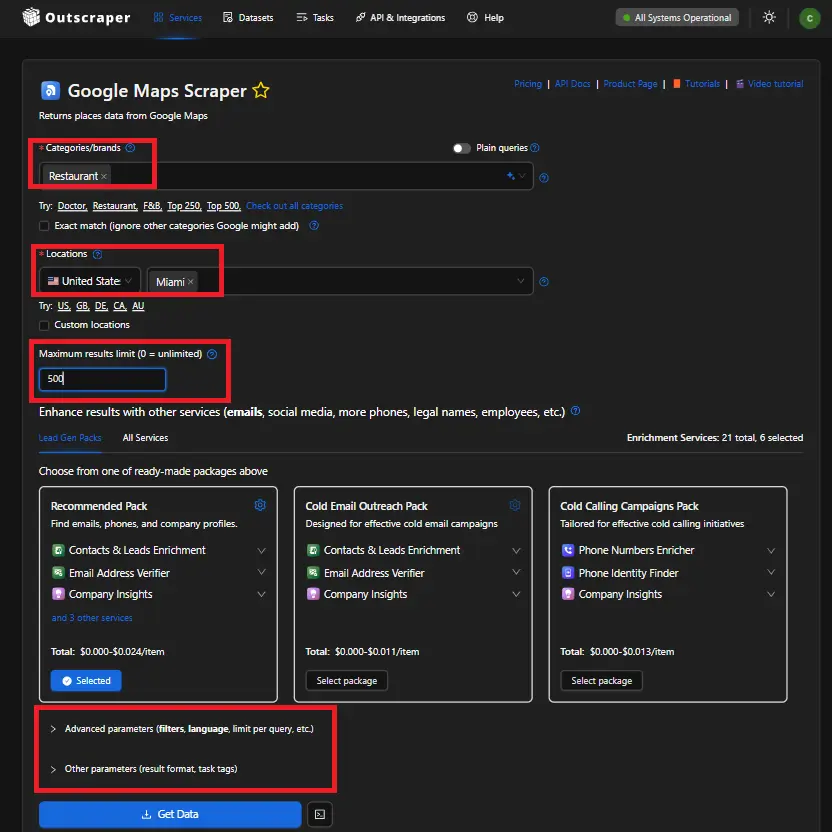
Step 3: Add Enrichments
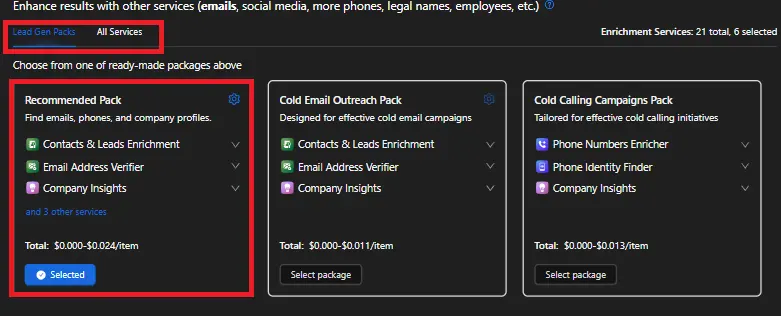
Add enrichment, which is packaged depending on customers’ needs. It is one click away to include enrichment on the data extraction tasks. It adds value to the database, usable for actionable insights and strategic planning for businesses.
Step 4: Validate Results
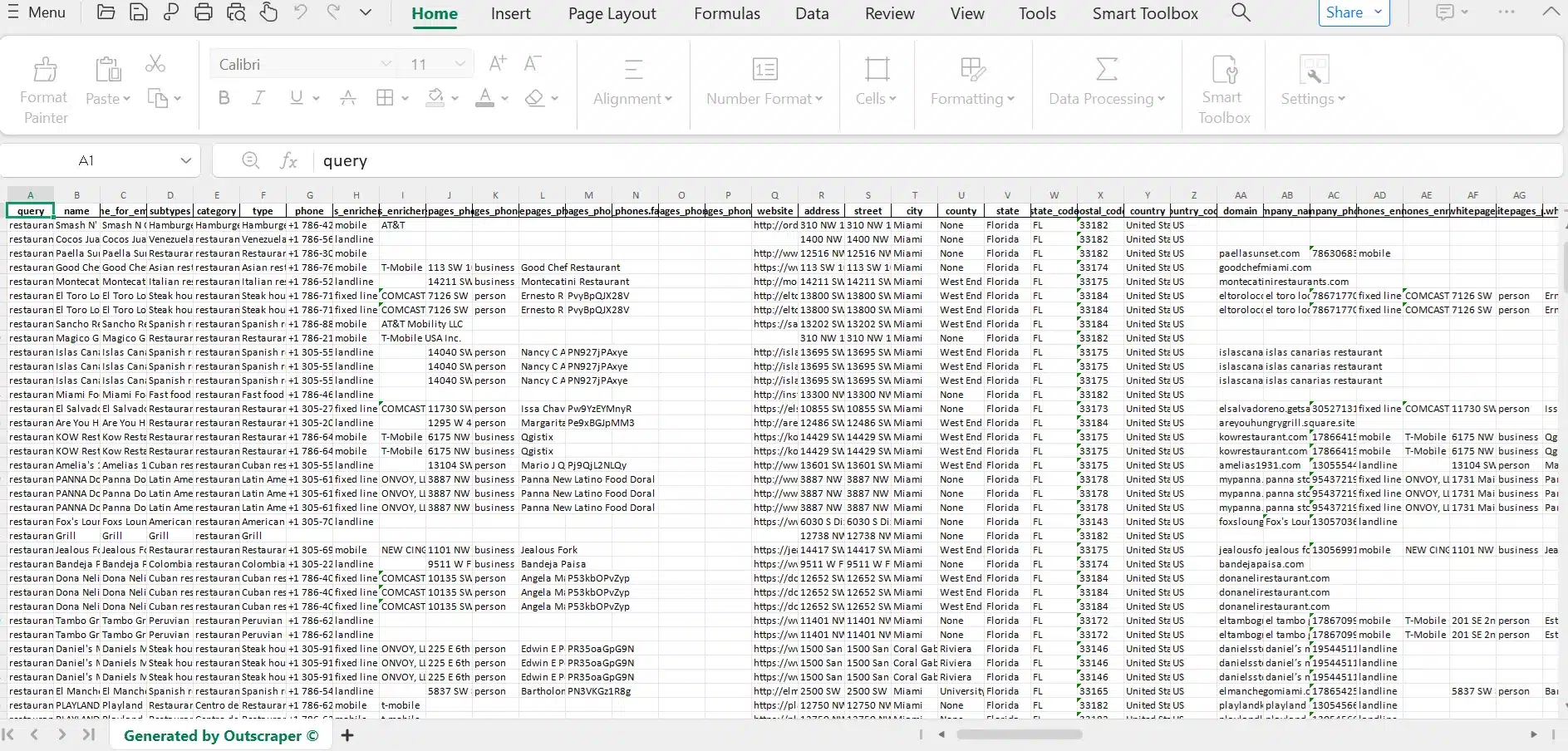
It is important to check whether the データ extracted is satisfactory for what the customer needs. Whether to validate emails, check reviews, check valid contact details, and more.
ROI Analysis
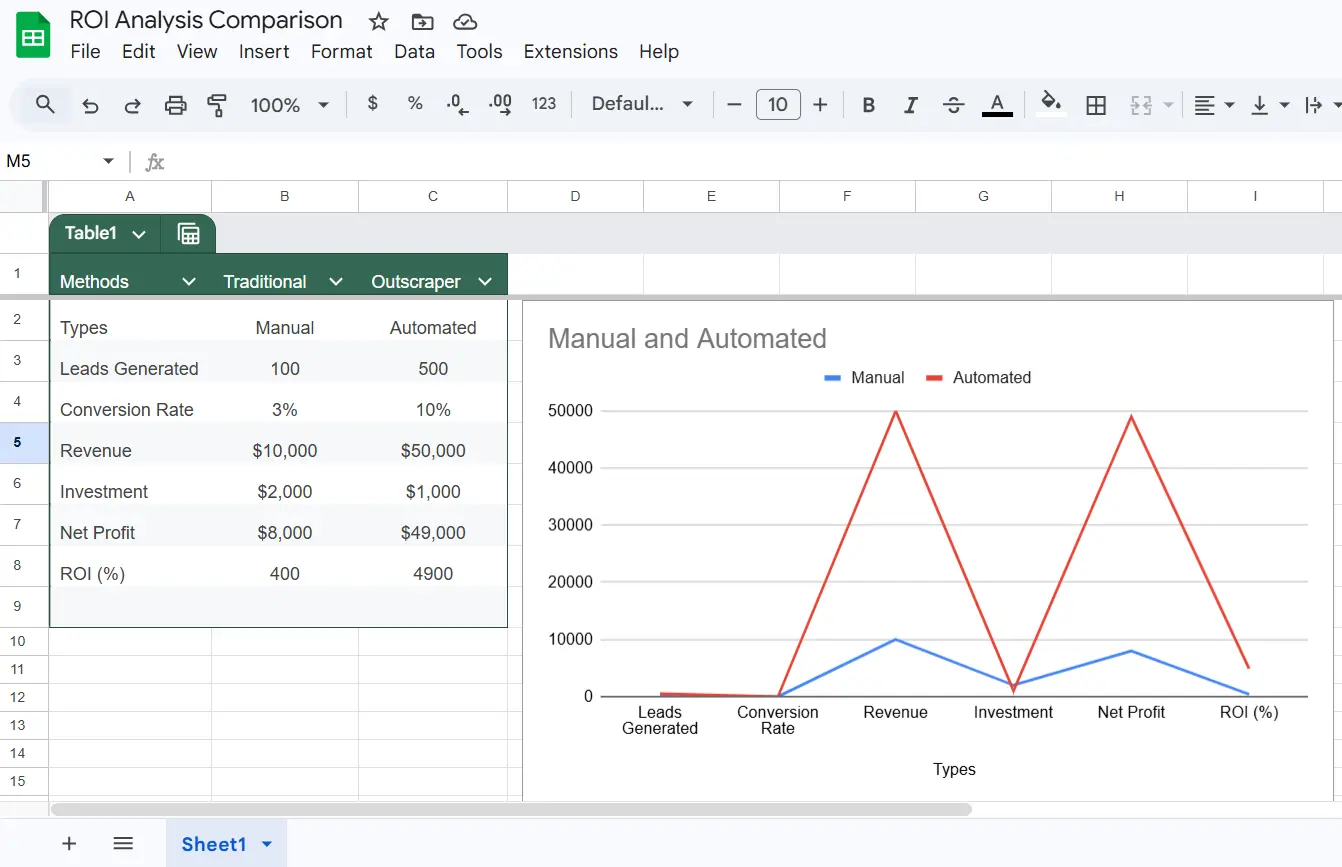
ROI Analysis refers to how lead generation works in both traditional and Outscraper as a medium of data extraction. Below is the cost comparison of the two ways to generate leads:
Cost Comparison
- Traditional Lead Generation Costs:
- Cold Calling: $500 – $2,000 per month (depending on team size)
- Networking Events: $1,000 – $5,000 per event
- Email Marketing: $200 – $1,000 per campaign
- Purchased Leads: $0.50 – $5.00 per lead
- Outscraper Costs:
- Pay-as-you-go Pricing: The cost is dependent on その usage (e.g., a $1000 as a top-up amount for data scraping), which covers a substantial amount of enriched data の potential leads.
- Additional Costs: Minimal, primarily related to data enrichment and processing.
Revenue Generation
ROI Calculation
To calculate ROI, we can use the formula:
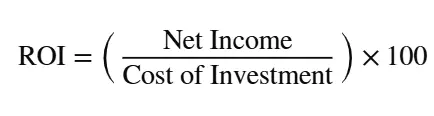
Sample Size:
従来のリード・ジェネレーション:
- Total Investment: $2,000 (monthly costs)
- Leads Generated: 100
- Conversion Rate: 3%
- Revenue from Sales: $10,000
- Net Profit: $10,000 – $2,000 = $8,000
- ROI: (8,000/2,000) x 100 = 400%
- アウトスクレーパー:
- Total Investment: $1000 (Pay-as-you-go pricing)
- Leads Generated: 500
- Conversion Rate: 10%
- Revenue from Sales: $50,000
- Net Profit: $50,000 – $1000 = $49,000
- ROI: (49,900/100) x 100 = 4900%
Note: These figures use a controlled scenario to show cost efficiency. Actual results depend on targeting, messaging, and the quality of execution.
When Traditional Methods Still Work
Use traditional lead generation when:
- You need deep personalization per lead
- Your market is small and relationship-driven
- Data is not publicly available online
Example: Enterprise B2B deals.
When Outscraper Delivers Strong ROI
Use Outscraper when:
- You target local businesses
- You run cold email or cold calling campaigns
- You need volume and speed
- You rely on data-driven segmentation
Supporting Evidence to Include
To strengthen credibility, attach:
- Campaign case study
- Include industry, lead volume, cost, and conversion results
- Outreach report
- Include open rate, reply rate, and bounce rate
- Sample dataset
- Show extracted fields such as business name, email, and category
- Benchmark references
- Use industry reports for average conversion rates
Traditional lead generation depends on manual effort and fixed costs. It performs well in relationship-driven environments but struggles to scale.
Outscraper improves efficiency through structured data extraction and targeted outreach. It reduces cost per lead and increases reach when paired with validation and clear targeting.
The difference in ROI comes from three factors:
- Lower acquisition cost
- Higher lead volume
- Better targeting precision
Execution quality determines final results. Poor targeting or unverified data reduces performance regardless of method.
結論
Traditional lead generation relies on manual processes such as cold calling, networking, and direct outreach. These methods require a high time and cost investment, and the quality of the lead often varies. Conversion rates stay low due to limited reach and inconsistent targeting. While these methods still work in relationship-driven markets or small segments, they do not scale efficiently.
Outscraper changes the process through automated data extraction and structured lead generation. It collects large volumes of targeted data, improves accuracy, and reduces time spent on manual research. Lower costs combined with higher lead volume and better targeting improve conversion rates.
The ROI comparison shows a clear difference. Traditional methods generate lower returns due to higher costs and lower conversion rates. It is more beneficial to use Outscraper, which produces higher returns by reducing cost per lead and increasing qualified opportunities. The difference in ROI comes from speed, scale, and data quality.
よくある質問
最も頻繁な質問と回答
Traditional lead generation involves outbound marketing tactics to identify and attract potential customers before the dominance of digital channels. It focuses on direct, personal outreach to build interest and capture contact details for follow-up.
Outscraper lead generation uses the Outscraper platform’s scraping tools, primarily its Google Maps Data Scraper, to automate the extraction of business leads from public sources. It targets B2B prospects by pulling details like names, addresses, phone numbers, emails, websites, and social profiles
ROI analysis evaluates the profitability of an investment by comparing its net returns to its costs, expressed as a percentage. It’s a key metric for decisions in marketing, projects, or tools like Outscraper’s lead generation.
コールドメールのアウトリーチは、ビジネス上の会話を弾ませるために、事前に関係のない見込み客に未承諾のパーソナライズされたメールを送信することです。.
検証済みコンタクトリストとは、正確性、配信可能性、関連性を保証するための検証プロセスを経た、電子メール、電話番号、会社詳細などの顧客または見込み客の連絡先情報のデータベースです。.
レピュテーション・マネジメントは、特にオンライン上で、個人、企業、またはブランドのポジティブなパブリックイメージを監視し、影響を与え、維持することを含む。.
センチメント分析は、テキストデータの背後にある感情的なトーンを決定し、肯定的、否定的、または中立的に分類します。企業はこれを顧客からのフィードバック、ソーシャルメディア、レビューに適用して、意見を測定し、傾向を検出する。