İçindekiler
Şunlar arasında seçim yaparken Google Haritalar API’si ve Web Veri Toplama Potansiyel müşteri listesi oluştururken, seçim genellikle resmi verilerin güvenilirliğine mi yoksa ham veri hacmine mi öncelik vereceğinize bağlıdır. Bu iki harita veri çıkarma yöntemi farklı amaçlara hizmet eder: Google Maps API, geliştiricilerin haritaları uygulamalara entegre etmeleri için tasarlanmış bir araçtır; web kazıma ise büyük ölçekli işletme dizinlerini çıkarmak için kullanılan özel bir yöntemdir.
Potansiyel müşteri kazanımı için yanlış yöntemi kullanmak, genellikle etkili bir potansiyel müşteri kazanımı stratejisi için gerekli olan e-posta adresleri ve sosyal medya bağlantılarının bulunmadığı “boş” veriler için para ödemekle sonuçlanır.
Mart 2026 tarihli son karşılaştırmalı veriler, seçtiğiniz teknik yola bağlı olarak potansiyel müşteri başına ödediğiniz tutarda büyük bir fark olduğunu göstermektedir:
- Google Places API (Resmi): Yaklaşık olarak maliyeti “Pro” için 1.000 istek başına 32,00 $” telefon numaraları ve çalışma saatleri gibi veriler. 10.000 potansiyel müşteriye yönelik bir kampanya için, ilk aylık ücretsiz kullanım limitlerini aştığınızda faturanız kolaylıkla 300 doları aşabilir.
- Web Veri Toplama (Yönetilen Hizmetler): Özel bir veri toplama platformu gibi Outscraper aynı 10.000 potansiyel müşteriyi 30,00 $ karşılığında sunuyor. Resmi API’den farklı olarak, bu hizmetler aynı iş akışı içinde sosyal medya profilleri ve e-postalar gibi “ek” verileri de elde etmenize olanak tanır.

Not: Birçok uzman “Google Maps API” terimini genel bir ifade olarak kullanıyor olsa da, teknik açıdan bir ayrım bulunmaktadır. Google Maps API, öncelikle görsel harita görüntüleme ve işaretçilerle ilgilenir. İçin potansiyel müşteri oluşturma, Google Places API’sini kullanıyorsunuz; bu API, o iş verilerini alan belirli bir motor gibi adlar, telefon numaraları ve puanlar.
Google Maps API ile bir Google Maps veri toplama aracını karşılaştırıyorsanız, aradaki temel fark, verilere nasıl erişildiğiniz ve bu verileri ne amaçla kullandığınızdır.
Kısa cevap: Google Haritalar API'si, yapılandırılmış istekler aracılığıyla Haritalar ve Yerler özelliklerine resmi erişim sağlarken, bir Google Haritalar veri toplama aracı ise Google Haritalar'da gösterilen işletme bilgilerini toplar ve bunları yapılandırılmış verilere dönüştürür. API genellikle uygulama ve konum özellikleri için kullanılırken, veri toplama işlemi ise araştırma, potansiyel müşteri oluşturma ve analiz amacıyla daha büyük işletme veri kümelerini toplamak için sıklıkla kullanılır.
Temel Fark: Resmi Erişim ve Veri Çıkarma
Her iki yöntem de iş verilerini CRM sisteminize aktarmayı amaçlasa da, temelde farklı şekillerde çalışır. Bunlardan biri Google ile resmi bir ortaklık; diğeri ise Google’ın kamuya sunduğu içeriklerin yüksek hızda izlenmesidir.
Google Haritalar (Places) API'si nedir?
Google Haritalar API'si, Google Haritalar Platformu'nun veri alımı için tasarlanmış özel bileşenidir. Daha genel kapsamlı Maps API görsel navigasyona odaklanırken, Places API o Google’ın 200 milyondan fazla işletme ve ilgi çekici yerden oluşan veritabanına açılan kapı. Kullandığınızda, yazılımınız sorar Google’ın sunucuları ayrıntılı bilgi için. Google daha sonra yapılandırılmış bir veri dosyası gönderir gibi JSON.
Kurulum, istek yöntemleri, alan maskeleri ve fiyatlandırma dahil olmak üzere Google’ın mevcut hizmetini daha ayrıntılı incelemek için şu yazımızı okuyun: Google Places API Kılavuzu.
Bu, “resmi” kanaldır. Bu kanal, bir restoranın tam konumunu bulması gereken yemek dağıtım hizmeti ya da yazdıkça adres önerilerinde bulunan bir web sitesi gibi canlı uygulamalar için tasarlanmıştır. Doğrudan bir bağlantı olduğu için bilgiler canlı ve resmidir. Ancak, bu sadece verir Google’ın paylaşmayı tercih ettiği bilgiler, ki genellikle atlar o derin İletişim bilgi gerekiyor satış faaliyetleri için.
Resmi API yolunu daha ayrıntılı incelemek için, bizim Potansiyel müşteri oluşturma için Google Places API’si Bu kılavuzda, Metin Arama, Yakındaki Arama, Mekan Ayrıntıları ve alan seçiminin potansiyel müşteri araştırmasına nasıl entegre edildiği açıklanmaktadır.
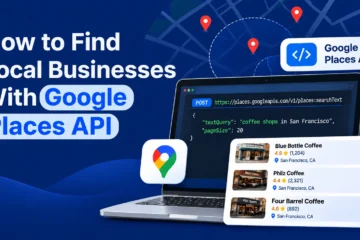
A typical workflow for finding local businesses with Google Places API starts with Text Search or Nearby Search and uses Place Details when more information about a matching business is needed.
Google Haritalar Web Veri Toplama Nedir?
Google Haritalar Veri Toplama kamuya açık işletme verilerinin otomatik olarak çıkarılmasıdır. Arka uç bağlantısı kullanmaz. Bunun yerine, Google Haritalar web sitesinin asıl kodunu okur. Bir kazıyıcı, masada oturan bir kişi gibi davranır, aramalar belirli terimler için, parşömenler listeyi baştan sona gözden geçirerek ve tıklamalar her bir işletmede bakınız ayrıntılar.
Ardından yazılım, isimler, puanlar ve web sitesi URL’leri gibi ekranda görünen metni kopyalar ve bir dosyaya kaydeder. Yazan: bakarak halka açık web sitesinde, bir veri toplayıcı kapmak resmi API’nin genellikle gizlediği veriler; örneğin, yorumların tam metni veya bir işletmenin web sitesinde yer alan sosyal medya bağlantıları gibi.
API ile web kazıma aynı şey midir?
Hayır. Her ikisi de hareket etmek A noktasından B noktasına veriler, kaynakla olan ilişki farklıdır.
- NS Outscraper Google Haritalar Yorumları API bir misafirdir: Bir dijital anahtarınız var, Google’ın kurallarına uyuyorsunuz ve eriştiğiniz her veri parçası için ödeme yapıyorsunuz. Bu sistem istikrarlı ancak sınırlıdır.
- Web veri toplama, bir gözlemcidir: Kazıyıcı, Google Haritalar’ın herkese açık “ön yüzüne” bakar ve orada görünen unsurlar hakkında bilgi toplar. Bu, kamuya açık bilgileri toplamak için bir yöntemdir 'de çok daha yüksek büyüklük ve daha düşük maliyet.
Web Veri Toplama Uygulamaları Tarafından Sunulan API: Sık sık şu tür hizmetleri göreceksiniz: API sunan Outscraper. Bu, her iki dünyanın da en iyisi; bu size şunu sunar bir API’nin teknik otomasyonu ancak şunu kullanır arka planda web veri toplama işlemi yapmak için çek ayrıntılı veriler (gibi (e-postalar) Google’ın resmi API’sinin ...yapmayı reddediyor sağlamak.
Ayrıca, veri toplayıcılar bir işletmenin kendi web sitesine giden bağlantıları takip edebildikleri için, işletme sahiplerinin isimleri ve e-posta adreslerini de içeren ayrıntılı bir profil oluşturabilirler. Resmi API şu işlemi yapamaz: yap bu.
Google Haritalar (Places) API’si: Güvenilir ve Standart Yöntem
Çoğu kişi için resmi Google Haritalar API’si “güvenli” bir tercihtir. Bu, Google tarafından onaylanmış bir yöntemdir; dolayısıyla engellenme endişesi yaşamazsınız. Önceliğiniz resmi kurallara uyum ve teknik istikrar ise, işte buradan başlamalısınız.
Neden İşe Yarıyor: Kararlılık ve Hız
En büyük avantajı, teknik konuların Google tarafından halledilmesi. Web sitesi güncellemelerinin kodunuzu bozmasından endişelenmenize gerek yok. Veriler, ham HTML yerine temiz ve yapılandırılmış bir JSON biçiminde geliyor.
Resmi API'yi kullanmak birçok önemli avantaj sağlar:
- Resmi Veri Akışları: Places API’yi kullanarak Google’ın resmi “Yer Kimliği” sistemi. Bu, CRM verilerinizin Google’ın iç kayıtlarıyla eşleşmesini sağlar.
- Bakım Gerektirmez: Bağlantı kurulduktan sonra kurulum, it sadece works. You don’t need to monitor for UI changes or CSS selector updates.
- High Speed: A single request pulls a profile in milliseconds. For apps needing real-time location, this reliability is essential.
The Hidden Costs: Scalability and the "API Tax"
While the API is stable, the usage-based billing can lead to a massive bill. Google’s model changes for every single request, meaning every search and every business detail lookup adds to your monthly total.
If you need to refresh your data regularly or search across multiple cities, this “API tax” accumulates quickly. While Google provides a monthly credit, it is designed for app developers with low-volume lookups, not for marketers exporting thousands of rows. I have provided a full API cost comparison table in the breakdown below to show how these fees spike at scale.
Google Maps API Limitations
Price isn’t the only challenge. The official API is built for maps, not sales intelligence. Google intentionally holds back data that matters for lead generation by splitting information into different tiers.
The limitation exists because Google separates “Basic” data from “Atmosphere" ve "Contact” data within the Places API. While the basic tier is affordable, it rarely provides enough detail for a campaign. To get the data points that actually drive sales, you face several hurdles:
- The “Contact Gap”: Şuna al phone numbers or open hours, you must move into the “Pro” pricing tier. Even then, the API never sağlar social media links or direct email addresses. Those data points basitçe don’t exist in the official feed.
- Review Thinning: If you want a detailed look at every review a business has received for sentiment analysis, the API data is often too thin. Google typically limits the number of reviews returned per request.
- No Direct Outreach: The API tells sen where bir işletme o, but it rarely size şunu sunar a way to contact the owner doğrudan.

Web Scraping: The Flexible Alternative for High-Volume Leads
Web scraping is the custom choice for power users. If you need a massive sales database with every possible data point, scraping provides the flexibility that Google’s official tools often block.
The automated technique for extracting large amounts of data from public websites, commonly known as web scraping, converts unstructured web content into structured content. One of the most popular platform being scraped for high-volume leads is Google Maps, and Google Haritalar Veri Kazıyıcı is often the starting point of any lead generation companies looking for leads.
Getting the Data Google Hides
The main reason lead generation pros choose scraping is data depth. A scraper doesn’t just pull from a database; it “reads” everything on the screen.
This means you can grab various social media links and the full text of customer reviews. Most professional scrapers also visit the business’s website automatically. This allows them to find email addresses and social media profiles that are missing from the official Google feed, giving you a detailed prospect profile.
Web scraping also allows you to bypass the “60-result wall.” While the official API caps every search at 60 businesses, scrapers can “grid” an entire city to confirm you capture every single lead in the area.
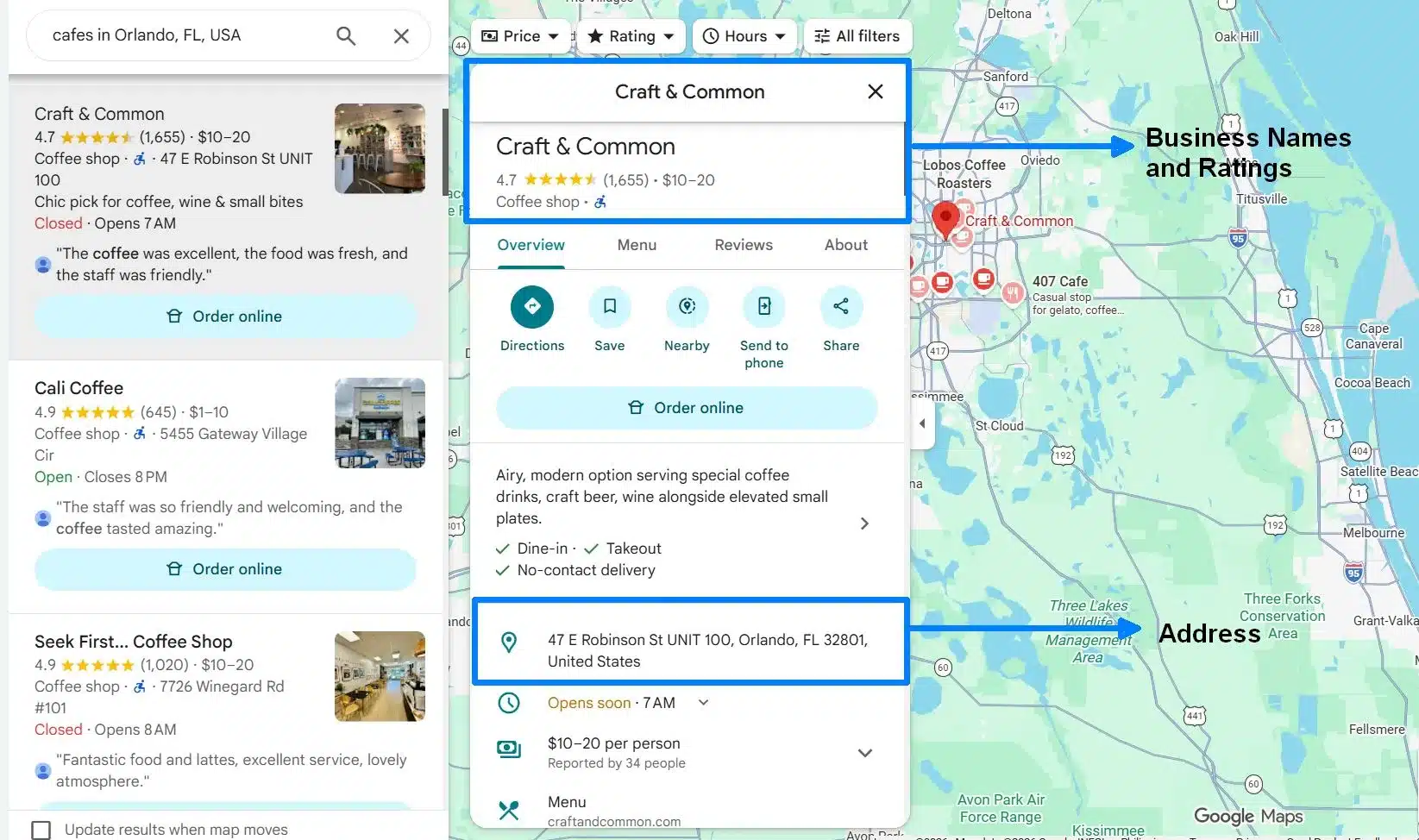
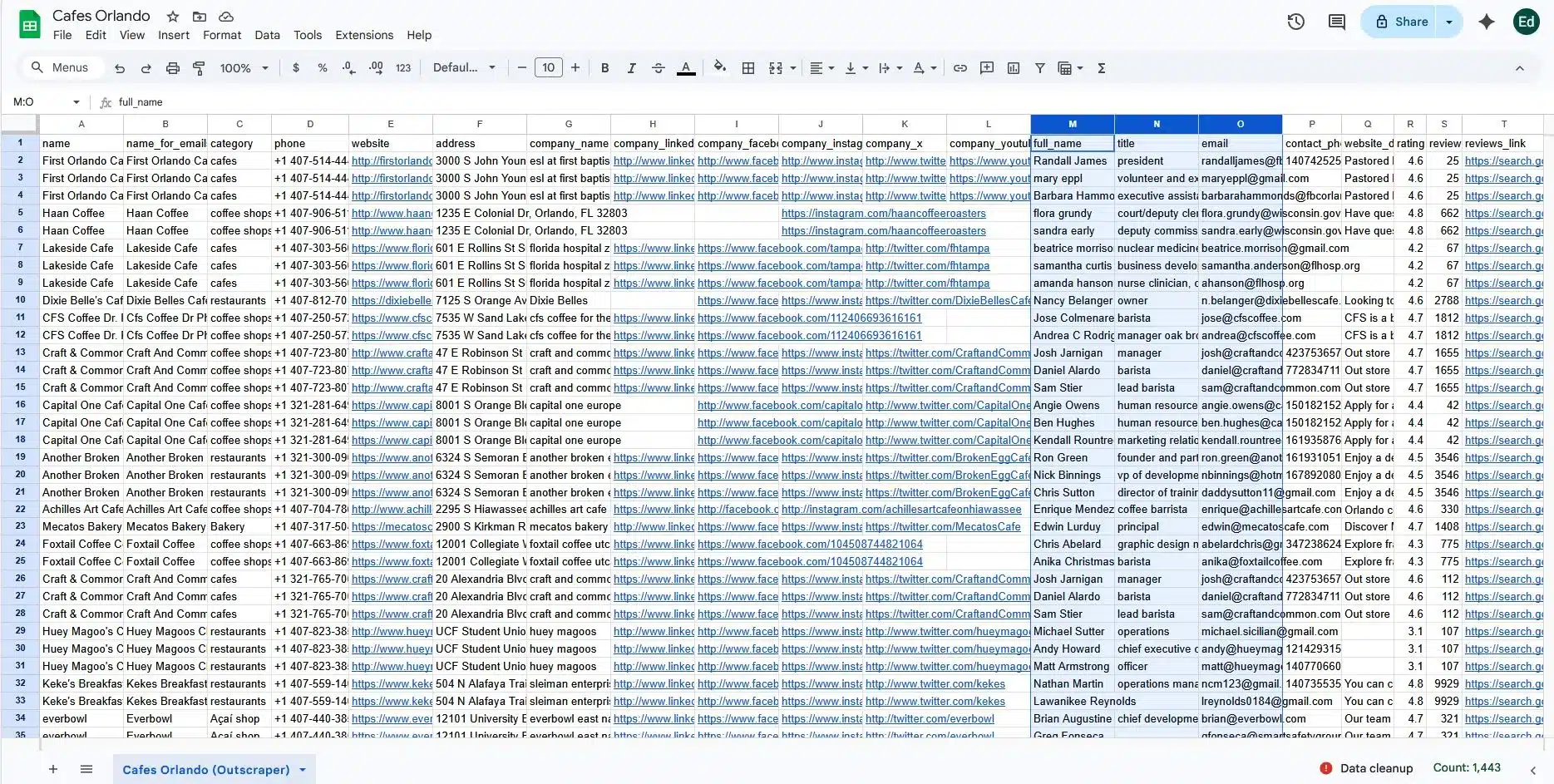
While Google Maps (left) shows you where a business is, managed scraper (right) visits the business’s website to extract the direct contact data you need for outreach.
| Data Field | Google Places API | Outscraper (Scraped) |
|---|---|---|
| İşletme Adı | ✅ Included | ✅ Included |
| Physical Address | ✅ Included | ✅ Included |
| Star Rating | ✅ Included | ✅ Included |
| E-posta Adresi | ❌ Missing | ✅ Extracted |
| Sosyal Medya Bağlantıları | ❌ Missing | ✅ Extracted |
Python vs. PHP: Choosing the Right Stack
If you decide to build your own scraper, the language you choose matters. While PHP is great for web development, Python is the expert choice for data extraction.
Python’s ecosystem includes powerful libraries like BeautifulSoup for parsing HTML and Selenium or Playwright for browser automation. These tools enable you to handle complex tasks, such as clicking buttons or scrolling through infinite lists, with minimal code.
PHP can do this, but it often requires more work and lacks the specialized community support that makes Python the standard for data science and automation.
Will AI Replace Web Scraping?
With the rise of Large Language Models (LLMs), many wonder if AI will make scraping obsolete. The reality is that AI is a partner, not a replacement. Some notable business data platforms already offered AI-powered web scrapers to their customer to adapt the growing needs of advanced scraping.
AI is incredible at “cleaning” data. It can take a messy pile of HTML and instantly extract the CEO’s name or summarize 500 reviews. However, the AI still needs a scraper to “fetch” that raw HTML from the web first. The scraper is the hand that grabs the information, while the AI is the brain that understands it.
The Cost Breakdown: API Fees vs. Scraper Maintenance
Budget is often the deciding factor in the Google Haritalar API’si ve Web Veri Toplama debate. One has high direct costs; the other has high indirect costs. Understanding where your money goes is key to picking a sustainable path.
How much will this actually cost you?
| Özellik | Google Places API (Official) | Managed Web Scraping |
|---|---|---|
| Cost per 10k Leads | ~$320.00 (Usage-based) | ~$30.00 (Flat/PAYG) |
| Data Depth | Basic: Name, Rating, Address | Deep: Emails, Socials, Full Reviews |
| Lead Volume Cap | 60 results per search | Unlimited (via Gridding) |
| Maintenance | None (Official Connection) | Handled by Service Provider |
| Legal / Compliance | Must follow Google's API terms | Depends on the specific scraping workflow and applicable rules |
Google Places API Costs
Google uses a “pay-as-you-go” model o can lead to significant “bill shock” for lead generation teams. While you al a $200 monthly credit, it disappears quickly when pulling large datasets.

Web Scraping Costs
Web scraping looks more affordable, but it has operational costs. You must pay for proxies, which can cost $50.00 to $100.00 for a 50k crawl. Most scrapers offer a monthly recurring payment, while some notable scrapers like Outscraper offer a PAYG model, meaning you only pay for the data results that you scraped.
The Maintenance Challenge
Web scrapers are also “fragile.” If Google hareketler a data field in their HTML, the scraper breaks, ancak ile the advancement in AI, the scrapers also adapt to changes. Still, web scraping requires constant monitoring. Many teams prefer managed services because the provider handles these technical fixes, letting the sales team focus on outreach.
Places API Alternatives
If Google’s pricing or scraping complexity doesn’t fit your needs, there are other ways to al local business data.
- Bing Maps API: A viable alternative that sometimes offers more flexible usage terms for developers.
- B2B Data Providers: Companies like Targetron sell pre-scraped, detailed databases. You pay a premium for the data, but you save 100% of the time usually spent on technical extraction.
Legal Considerations When Scraping Google Maps
When comparing Google Maps API vs. web scraping, legality is not a simple yes-or-no question. Different rules can apply depending on Google’s terms, the type of data collected, how the data is accessed, the jurisdiction, and how the data is later used.
Google’s own terms are one part of that analysis. Privacy, copyright, database rights, contract law, and other rules may also matter depending on the workflow.
Terms of Service vs. Publicly Available Data
Google Maps Platform terms restrict scraping and exporting Google Maps Content outside Google’s services. The current terms specifically list activities such as bulk downloading Places information and copying or saving business names, addresses, or user reviews as prohibited uses of Google Maps Content.
That contractual restriction is different from the broader legal question of whether scraping publicly accessible information violates a particular law. Court decisions involving public web data can be relevant, but they do not create a general rule that all scraping of publicly visible information is permitted.
The type of information also matters. Business facts, user-generated reviews, photos, personal information, and copyrighted material can raise different issues. Teams collecting data should review the rules that apply to the source, the data being collected, their jurisdiction, and their intended use.
Can I Use the Google Maps API Commercially?
Yes. Google Maps Platform APIs can be used in commercial applications, but users must follow the applicable Google Maps Platform terms, service-specific terms, billing requirements, and attribution rules.
When Google Maps content is displayed outside a Google Map, attribution may be required. Google’s current guidance says Google Maps attribution must remain visible and should clearly identify content provided by Google Maps.
Storage rules depend on the specific API and type of data. Some Google Maps Platform content cannot be stored outside the service except under limited conditions, while certain values, such as Place IDs, have different storage rules. Some temporary caching permissions are limited to 30 days.
For teams building long-term business datasets, these restrictions are worth reviewing before choosing between an official Google Maps API and another data-collection approach.
Practical note: Before collecting Google Maps data at scale, review the current Google terms that apply to the source and product you are using. Also consider privacy, copyright, and data-use requirements that may apply in your jurisdiction. For workflows with material legal or compliance risk, seek advice based on the specific use case.
Choosing Your Method: Practical Use Cases
The choice between Google Maps API vs. Web Scraping depends on what you are building. One is a tool for developers; the other is a high-volume engine for marketers.
When to use the API
The official Google Maps API is the best choice for real-time apps. If you are building a delivery tracker or a “store locator” on your website, you need the official stability Google provides.
It is also the right move for small projects under a few hundred results per month. Since Google provides a $200 monthly credit, these small lookups are often free. If legal safety and technical stability are your top priorities, stick with the official API.
When to use Web Scraping (or a Scraping Service)
Web scraping is the practical choice for building massive B2B lead databases. If your goal is to export 50,000 prospects, spending money on the API will destroy your margins. Scraping is also necessary for deep competitor research.
If you need to see every customer review, the official API cannot help. Use a scraping service when your budget is tight and you need a detailed spreadsheet with emails from various web sources.
If you are considering the scraping route, the next decision is whether to build and maintain the scraper in-house or use a managed service. See our guide on whether to build your own Google Maps scraper or use a managed service.
The Hybrid Approach: A Balanced Plan
A good next step for most is a hybrid approach. You can use the official API for your core app functionality to confirm 100% uptime and official compliance. Also, you can use a web scraper to “enrich” that data.
For example, pull the basic business name from the API, then run it through a scraper to find “deep” details like email addresses and social media handles. This keeps your app officially supported while giving your sales team the contact bilgi they need for lead generation and closing deals.
For a practical example of storing business data inside an application, see how Google Maps records can be normalized and imported into Supabase for a location-based app.
Sık Sorulan Sorular
Bu, ölçeğinize ve veri ihtiyaçlarınıza bağlıdır. Resmi Google Maps API’si, gerçek zamanlı uygulama entegrasyonu ve küçük ölçekli aramalar için en uygun seçenektir. Bununla birlikte, yüksek hacimli potansiyel müşteri oluşturma söz konusu olduğunda, web kazıma yöntemi daha düşük maliyetle daha ayrıntılı iletişim verileri (e-postalar ve sosyal medya profilleri gibi) sağladığı için tercih edilen yöntemdir.
Google Haritalar API'si, satış analizi için değil, navigasyon ve haritalama hizmetleri için tasarlanmıştır. Yalnızca Google'ın resmi olarak güncellediği veri noktalarını sağlar; bu veriler genellikle kişisel veya kurumsal e-posta adresleri ve sosyal medya kullanıcı adları gibi doğrudan iletişim bilgilerini içermez.
Veri kazıma, bir “gri alan”da yer alır. Google’ın Hizmet Şartları (ToS) bunu yasaklasa da, çeşitli mahkeme kararları, herkese açık verilerin (giriş yapmadan görebileceğiniz bilgiler) çıkarılmasının genel olarak koruma altında olduğunu ortaya koymuştur. Yalnızca somut iş verilerini toplamalı ve Google’ın sunucularını aşırı yüklemekten kaçınmalısınız.
Google, kullandıkça öde modelini kullanır. Telefon numaraları gibi “Pro” veriler için, 1.000 istek başına yaklaşık 32,00 $ ücret alınır. Aylık 200 $ kredi almanıza rağmen, 50.000 potansiyel müşteriyi hedefleyen büyük ölçekli bir kampanya, aylık faturanızın 1.400 $'ı aşmasına neden olabilir.
Resmi Google Haritalar API’si, her arama sorgusunu en fazla 60 sonuçla sınırlandırır. Bu durum, bir şehrin iş rehberinin tamamını haritalandırmayı zorlaştırır. Web kazıma yöntemi, bir bölgeyi “ızgara” şeklinde bölümlere ayırarak bu sınırlamayı aşar ve yapay sınırlamalar olmaksızın her bir potansiyel müşteriyi yakalamanıza olanak tanır.
Evet, buna “Hibrit Yaklaşım” denir. Birçok profesyonel, uyumluluk ve istikrarı sağlamak için uygulamanın temel işlevleri için resmi API’yi kullanır; ardından bir web kazıyıcı kullanarak bu verileri, resmi API’nin gizlediği sosyal medya bağlantıları ve e-posta adresleri gibi ayrıntılı iletişim bilgileriyle “zenginleştirir”.