Оглавление
Введение
In the current competitive market, effective cold outreach can significantly impact your business growth. However, the success of your outreach efforts heavily relies on the quality of the contact list. Strategies to build a verified contact list for cold outreach are crucial, ensuring that they avoid the pitfalls of purchasing bad data.
What is challenging is outdated information that contains contacts that have changed jobs, moved, or are no longer relevant to your target audience. Also, high bounce rates lead to low engagement. What’s more pressing is the wastage of resources that yielded less or no profit at all. Brand reputation damage and missed opportunities.
Cold outreach is a crucial strategy for businesses and professionals looking to expand their networks, generate leads, and foster new relationships. Exploring tools such as Outscraper that help in building lead lists for cold outreach, including its importance, best practices, and tips for crafting effective messages that resonate with potential clients or partners.
Understanding Verified Contact List
The current market landscape in maintaining a verified contact list is crucial for effective communication and successful marketing strategies.
A verified contact list not only enhances the efficiency of outreach efforts but also significantly improves engagement rates, reduces bounce rates, and fosters stronger relationships with clients and prospects.
Exploring the key reasons why having a verified contact list is essential for businesses and organizations, along with best practices for maintaining its accuracy. A verified contact list is crucial for several reasons:
- Higher Response Rates
When you reach out to the right people, your chances of receiving a positive response increase significantly. - Improved Reputation
Sending emails to invalid addresses can harm your sender reputation, leading to deliverability issues. - Cost Efficiency
Investing time in building a quality list saves money in the long run compared to purchasing lists filled with outdated or irrelevant contacts.
The Significance of a Verified Contact List
A verified contact list is a curated collection of contacts that have been confirmed for accuracy and relevance. This includes ensuring that email addresses, phone numbers, and other contact details are up-to-date and valid. Verification can involve various methods, such as email validation services, manual checks, and regular updates to the list.
1. Improved Communication
A verified contact list ensures that your messages reach the intended recipients. When you send emails or messages to unverified contacts, you risk encountering high bounce rates, which can negatively impact your sender reputation. A clean and verified list helps ensure that your communication is effective, timely, and reaches the right audience.
2. Enhanced Engagement Rates
When you communicate with verified contacts, you are more likely to engage with individuals who are genuinely interested in your products or services. This leads to higher open rates, click-through rates, and overall engagement. Engaged contacts are more likely to convert into customers, making your marketing efforts more fruitful.
3. Cost Efficiency
Maintaining a verified contact list can save your organization money in the long run. Sending emails to invalid addresses can lead to wasted resources, including time and money spent on email marketing campaigns. By investing in a verified list, you can ensure that your marketing budget is allocated effectively, targeting only those who are likely to respond.
4. Better Data Management
A verified contact list contributes to better data management practices. It позволяет businesses to segment their audience based on verified information, leading to more personalized marketing strategies. This segmentation can enhance customer experiences and improve overall satisfaction.
5. Compliance with Regulations
In an era of stringent data protection regulations, such as GDPR,CCPA or CAN-SPAM ACT, maintaining a verified contact list is essential for compliance. Sending unsolicited emails to unverified contacts can lead to legal repercussions and damage your brand’s reputation. A verified list helps ensure that you are only contacting individuals who have opted in to receive communications from you.
Best Practices for Maintaining a Verified Contact List
Maintaining a verified contact list is crucial for effective communication, marketing, and relationship management. A well-organized and accurate contact list can enhance outreach efforts, improve customer engagement, and streamline operations.
It outlines best practices for creating, managing, and verifying contact lists to ensure they remain up-to-date and reliable:
1. Regular Updates
To keep your contact list accurate, it’s essential to conduct regular updates. Это can involve periodic checks to verify the validity of email addresses and phone numbers, as well as removing contacts что have opted out or become inactive.
2. Use Verification Tools
Leverage technology by using email verification tools and services. These tools can automate the process of checking the validity of email addresses and help maintain the integrity of your contact list.
3. Encourage Opt-Ins
When building your contact list, encourage individuals to opt-in to receive communications. This not only ensures that your contacts are interested in your messages but also helps maintain a list of engaged recipients.
4. Monitor Engagement Metrics
Keep an eye on engagement metrics such as open rates, click-through rates, and bounce rates. Analyzing these metrics can provide insights into the effectiveness of your contact list and highlight areas that may need improvement.
5. Segment Your List
Segmenting your contact list based on demographics, interests, or behaviors can enhance targeting а также personalization. This approach allows for more relevant communication, which can lead to higher engagement and conversion rates.
Understanding Cold Outreach
Cold outreach refers to the process of contacting individuals or organizations что have had no prior interaction with you or your business. This can take various forms, including emails, phone calls, social media messages, or even direct mail. The primary goal is to introduce yourself, your product, or your service to potential clients or collaborators who may benefit from what you offer.
Importance of Cold Outreach
Cold outreach is a crucial strategy in sales and marketing, allowing businesses to connect with potential clients or customers who may not yet be familiar with their products or services.
Cold outreach involves reaching out to individuals or organizations without prior contact or relationship. It can take various forms, including emails, phone calls, social media messages, and direct mail.
Despite its challenges, cold outreach remains an essential tool for generating leads, expanding networks, and driving business growth.
Cold outreach is used effectively in:
- Генерация лидерства
Cold outreach is an effective way to generate new leads and expand your customer base. By reaching out to potential clients, you can identify those who may be interested in your offerings. - Networking Opportunities
Establishing connections with industry professionals can lead to valuable partnerships, collaborations, and referrals. - Market Research
Engaging with prospects allows you to gather insights about their needs, preferences, and pain points, which can inform your business strategy. - Brand Awareness
Consistent outreach efforts can increase your visibility in the market, helping to establish your brand as a credible player in your industry.
Best Practices for Effective Cold Outreach
Cold outreach is a crucial strategy for businesses and professionals looking to expand their networks, generate leads, and foster new relationships. However, executing effective cold outreach requires a thoughtful approach to ensure that your message resonates with your audience. The following shows the best practices:
1. Research Your Target Audience
Before reaching out, it’s essential to conduct thorough research on your target audience. Understand their pain points, preferences, and industry trends. Tailoring your message to address their specific needs will increase the likelihood of a positive response.
2. Personalize Your Outreach
Generic messages are often ignored. Personalization is key to successful cold outreach. Use the recipient’s name, reference their company, and mention specific challenges they may face. A personalized approach shows that you value their time and are genuinely interested in helping them.
3. Craft a Compelling Subject Line
For email outreach, the subject line is your first impression. It should be attention-grabbing and relevant to the recipient. A well-crafted subject line can significantly increase open rates and encourage recipients to engage with your message.
4. Keep It Concise and Clear
When reaching out, be concise and clear in your communication. Avoid lengthy messages that may overwhelm the recipient. Clearly state who you are, why you are reaching out, and what value you can provide. A straightforward approach is more likely to elicit a response.
5. Follow Up Strategically
Persistence is essential in cold outreach. If you don’t receive a response, consider sending a follow-up message after a few days. However, be mindful not to come across as pushy. A polite follow-up can remind the recipient of your initial outreach and may prompt them to engage.
6. Use Multiple Channels
Diversifying your outreach channels can increase your chances of success. In addition to email, consider using social media platforms like LinkedIn, phone calls, or even direct mail. Different individuals may respond better to different forms of communication.
7. Measure and Improve
To improve your cold outreach efforts, it’s crucial to measure their effectiveness. Track metrics such as open rates, response rates, and conversion rates. Analyzing this data will help you identify what works and what doesn’t, allowing you to optimize your approach for better results.
Building Verified Lead Lists with Outscraper
Outscraper is a web scraping tool that allows users to extract data from various online sources, including search engines, social media platforms, and business directories. Its user-friendly interface что extracts business data and has enrichments makes it an ideal choice for cold outreaches, marketers, sales professionals, and entrepreneurs looking to gather valuable leads. With Outscraper, you can automate the data collection process, saving time and resources while ensuring that you have access to the most relevant information.
Steps to Build Verified Lead Lists with Outscraper
Step 1: Define Your Target Audience
Before you start scraping, it’s essential to define your target audience. Consider factors such as industry, location, company size, and specific job titles. This clarity will help you tailor your scraping efforts and ensure that the leads you gather are relevant to your business objectives.
Step 2: Set Up Your Outscraper Account
To get started with Outscraper, завести аккаунт on their website. Once registered, check the dashboard and available features. You can explore pre-built scraping templates or create your own custom scraping tasks based on your requirements.
Step 3: Create a Scraping Task
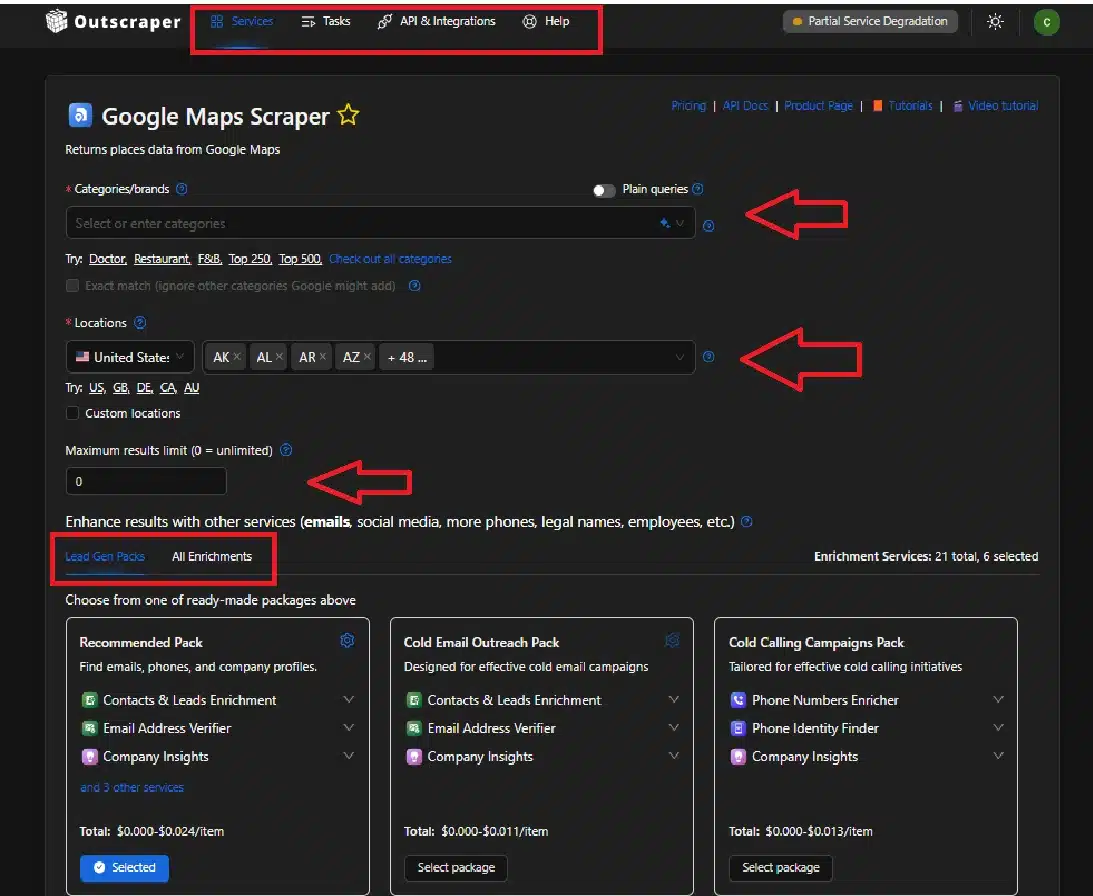
Using the Outscraper interface, create a new scraping task. Input your search parameters, such as keywords (categories/brands), location, and any filters that will help narrow down your results.
Step 4: Run the Scraping Task
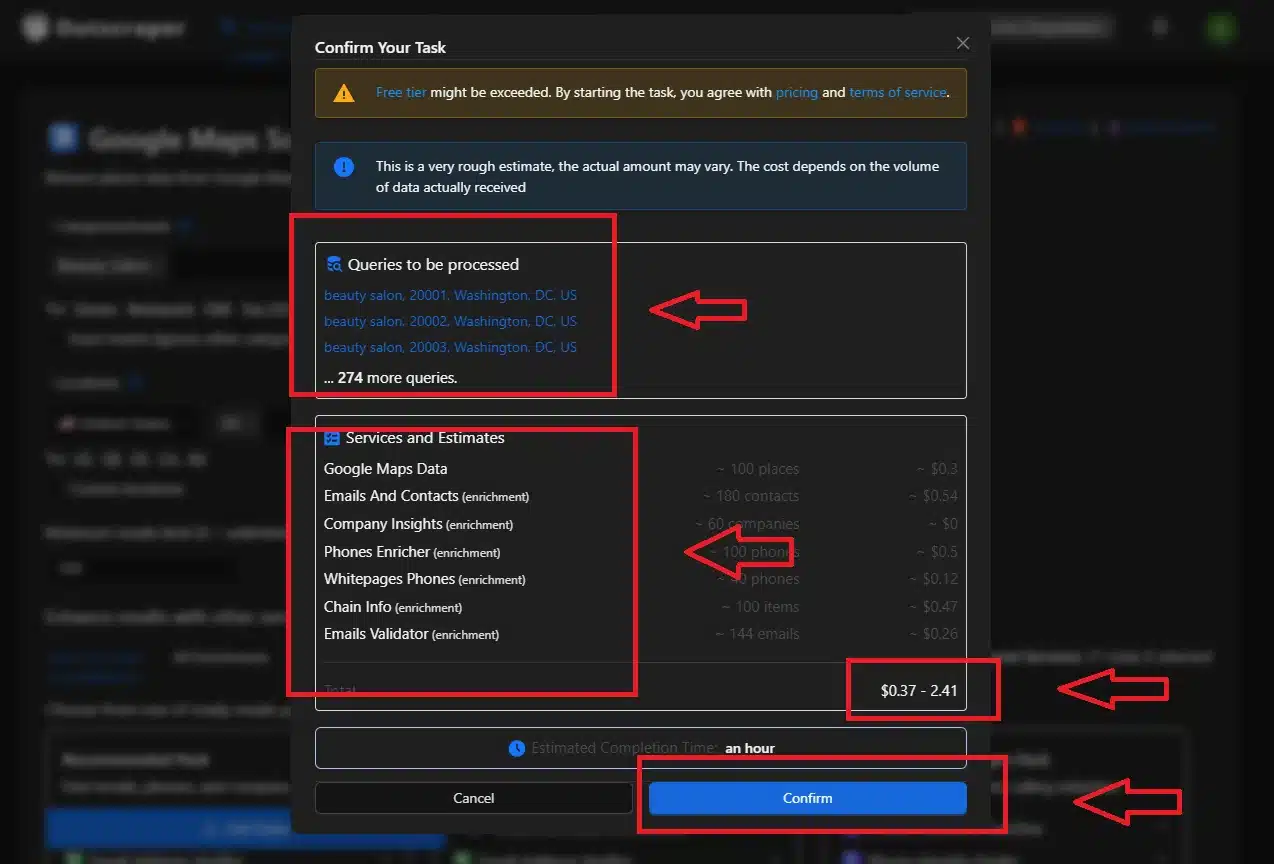
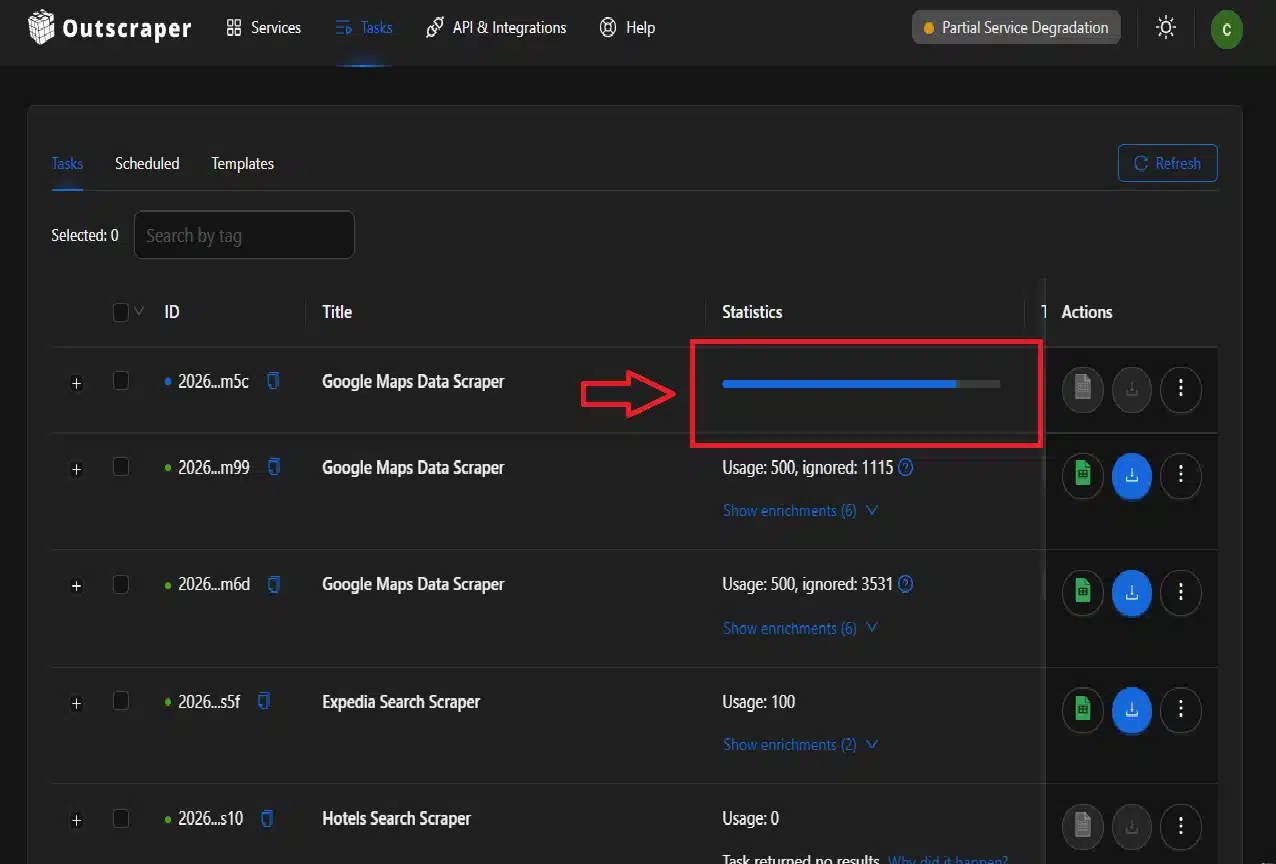
Once your task is set up, run the scraping process. Outscraper will automatically gather the data based on your specified criteria. Depending on the volume of data, this process may take some time. You can monitor the progress through the dashboard.
Step 5: Export Your Lead List
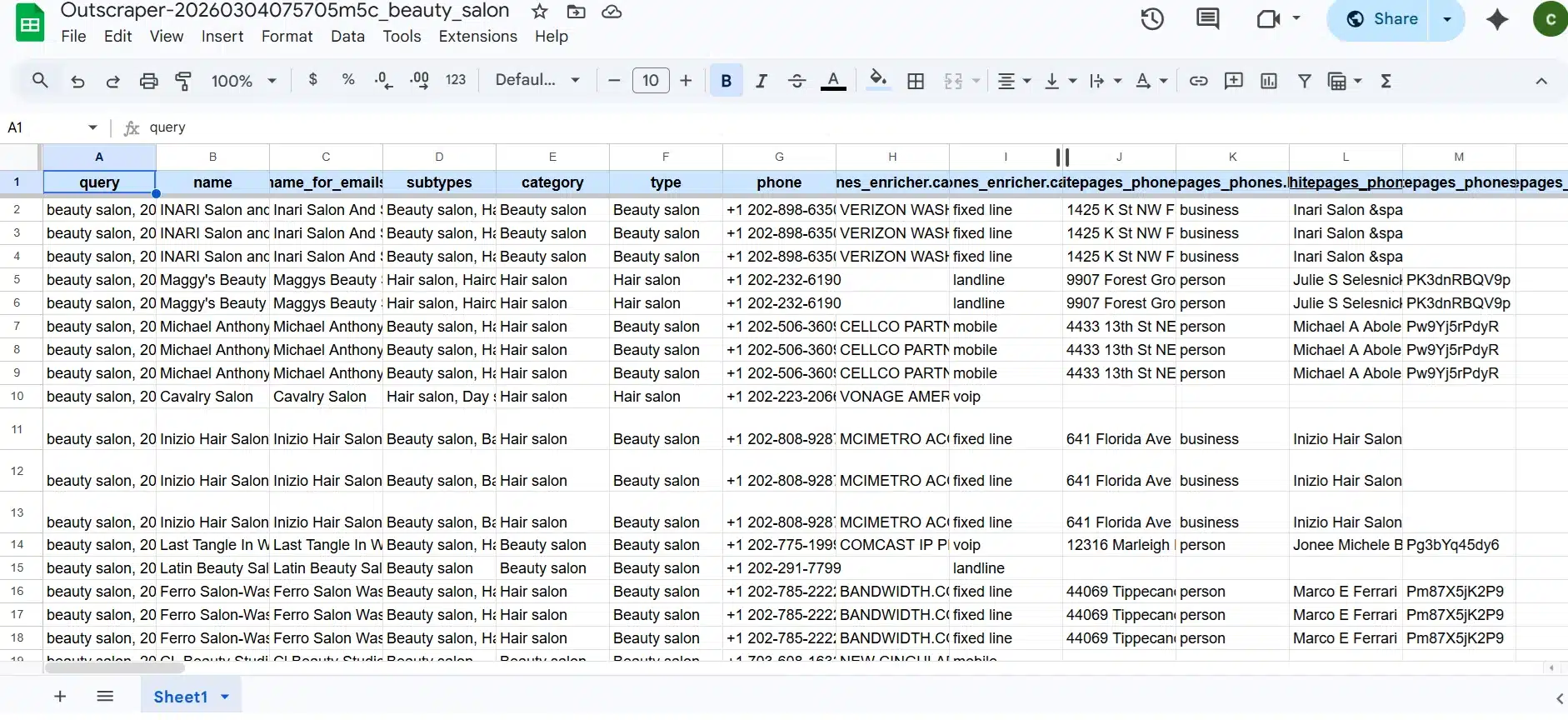
Once you have verified the data, export your lead list in your preferred format (CSV, XLSX, JSON, or Parquet). This file can now be imported into your CRM or marketing automation tool for further use.
Step 6: Follow Up and Nurture Leads
With your verified lead list in hand, it’s time to initiate your outreach efforts. Craft personalized messages and follow-up strategies to engage with your leads effectively. Remember that nurturing leads is an ongoing process that requires consistent communication and value delivery.
Заключение
Cold outreach works when your data is accurate. If your contact list contains outdated emails, wrong job titles, or irrelevant companies, you waste time, damage the brand’s reputation, and reduce your response rates.
A verified contact list improves deliverability, protects your brand, and increases engagement. It also helps you control costs and stay compliant with data regulations. Cold outreach is not about sending more messages. It is about sending the right message to the right person using accurate data.
Outscraper gives a structured way на collect targeted business data based on industry, location, and keywords. Instead of buying unreliable lists, you define your audience, extract relevant data, verify it, and export it for use in your CRM or outreach system. This approach gives you control over quality and relevance. If you want to build a verified contact list and improve your cold outreach results, start using Outscraper to gather targeted leads and maintain better data from the beginning.
Часто Задаваемые Вопросы
Наиболее частые вопросы и ответы
Verified contact lists are databases of customer or prospect contact information such as emails, phone numbers, and company details, that have undergone validation processes to ensure accuracy, deliverability, and relevance.
Cold outreach is a sales and marketing strategy where you contact potential customers or leads who have had no prior interaction with your business.
Contact discovery is the process of identifying, verifying, and collecting contact details like emails, phone numbers, job titles, and social profiles for potential customers or decision-makers
Affiliate marketing is a performance-based strategy where individuals or businesses (affiliates) promote another company’s products or services online and earn commissions for driving traffic, leads, or sales.
Reputation management involves monitoring, influencing, and maintaining a positive public image for individuals, businesses, or brands, particularly online.
Sentiment analysis determines the emotional tone behind text data, classifying it as positive, negative, or neutral. Businesses apply it to customer feedback, social media, and reviews to gauge opinions and detect trends
Negative reviews signal customer dissatisfaction but can also enhance authenticity and drive sales from discerning buyers. They impact revenue by deterring impulse purchases while offering opportunities for improvement and engagement.
Qualifying opportunities from negative reviews involves scraping feedback for pain points, prioritizing high-intent signals like recent complaints, and personalizing outreach to convert dissatisfied businesses into leads.