Оглавление
Введение
Travelers often struggle with searching multiple websites to find the best deals, which can be time-consuming. Different platforms often display varying prices for the same hotel, leading to confusion. Users may not be aware of hidden fees or additional costs associated with hotel bookings.
Mostly, they feel frustrated when they realize they could have saved money by booking through a different platform after completing their reservation. Without a reliable comparison tool, users may make uninformed decisions, leading to dissatisfaction with their hotel choice. The lack of a centralized platform means travelers may miss out on exclusive deals and promotions offered by various hotels.
This article provides a comprehensive guide to building a hotel price comparison website using powerful data extraction инструменты such as Outscraper. Understanding how important and beneficial a hotel price comparison website is for seasoned travelers, even for regular travelers. More importantly, aiding travelers’ dilemma of booking hotels that give value for their money.
What is a Hotel Price Comparison Website?
A hotel price comparison website (HPCW), also known as a hotel search engine, is a platform that gathers hotel pricing information from various online travel agencies (OTAs), hotel websites, and other sources into a single, searchable interface. Rather than selling hotel rooms directly, these websites function as intermediaries. They allow users to compare prices across multiple platforms and then redirect them to their chosen booking site to complete the reservation.
In the current landscape, travelers often spend significant time and effort searching for the best hotel deals across numerous websites. С участием so many options available, it can be overwhelming to navigate countless platforms and offers. Approximately 90% of customers research online when planning a holiday, and a large portion of them complete their bookings online. In fact, around 80% of travelers now prefer booking accommodations online, valuing transparency, convenience, and competitive pricing.
Hotel price comparison websites address this challenge by collecting and displaying information from multiple hotel booking platforms in one place. When a user searches for a hotel in a specific location, the website retrieves data on room availability, pricing, and amenities from various sources. This information is then presented in a clear, user-friendly format, enabling travelers to easily compare options according to their preferences.
Key Features of Hotel Price Comparison Websites
Search Filters
Users can refine search results based on criteria such as price range, star rating, location, and amenities. Это feature helps travelers quickly identify accommodations that align with their specific needs.
Price Alerts
Many comparison websites offer price alert features that notify users when prices drop for selected hotels. Это is particularly beneficial for budget-conscious travelers seeking the best possible deals.
User Reviews
Most hotel price comparison platforms include user reviews and ratings. These insights provide valuable information about the quality of accommodations, helping travelers make informed decisions based on others’ experiences.
Booking Options
After selecting a preferred hotel, users can either book directly through the comparison website or be redirected to the hotel’s official website or a third-party booking platform to finalize the reservation.
How a Hotel Price Comparison Website Actually Works
Hotel price comparison websites play a crucial role in the travel industry by simplifying the process of finding and booking accommodations. Through data aggregation, normalization, and user-friendly interfaces, these platforms empower travelers to make informed choices while saving time and money.
Understanding how these websites work can enhance the overall travel experience, ensuring that users find the best possible deals for their stays. В functionality of a hotel price comparison website can be broken down into the following steps:
Data Aggregation
The website uses web scraping, APIs, and partnerships to collect hotel information, including prices, availability, amenities, and reviews, from numerous sources. These sources typically include:
Online Travel Agencies (OTAs)
Online Travel Agencies (OTAs) are web-based platforms that разрешить consumers to research, compare, and book travel services such as flights, hotels, car rentals, and vacation packages. OTAs act as intermediaries between travelers and service providers, offering a wide range of options and competitive pricing.
Hotel Chains
Hotel Chains in the hospitality industry play a significant role in providing accommodation and services to travelers worldwide. It can also help travelers to make informed decisions when choosing where to stay, as well as provide insights into the broader trends within the hospitality sector. It has luxury hotels, upscale hotels, mid-scale hotels, economy hotels, and boutique hotels.
Smaller Hotel Websites
Smaller Hotel Websites это independent hotels and boutique accommodations. It provides an excellent opportunity to discover unique accommodations that reflect the local culture and offer personalized service. By exploring these platforms, you can find hidden gems that larger hotel chains may overlook. Whether you’re seeking a boutique hotel with character or a cozy bed-and-breakfast, the world of smaller hotels is rich with possibilities.
Search and Filtering
Users enter their desired destination, travel dates, and number of guests into the search form. They can also apply filters to refine their search based on criteria such as:
- Price Range: Setting minimum and maximum price limits.
- Hotel Star Rating: Filtering by the desired level of luxury.
- Amenities: Specifying requirements like free Wi-Fi, swimming pool, or parking.
- Location: Searching within a specific area or near landmarks.
- Guest Reviews: Filtering by minimum review score.
Price Comparison and Ranking
The website displays a list of hotels that match the search criteria, along with their prices from different sources. The results are typically ranked by price, popularity, or a combination of factors.
Redirection to Booking Platform
When a user clicks on a specific hotel and price, they are redirected to the website of the OTA or hotel where that price is offered. В actual booking process takes place on the external website, not on the price comparison website itself.
Benefits of Using Hotel Price Comparison Websites
Hotel price comparison websites provide numerous benefits for travelers seeking affordable and convenient accommodations. On these platforms, users can save time, money, and effort while ensuring they secure the best possible deal for their desired hotel stay. The substantial search capabilities, transparency, user reviews, and special deals make these websites an indispensable tool for any traveler.
Time Savings
One of the most significant advantages of using hotel price comparison websites is the substantial time savings they offer. Instead of manually searching multiple websites and comparing prices individually, users can просто enter their destination, dates, and other preferences into a single search engine. В website then aggregates results from numerous sources, presenting them in a clear and organized manner. Это eliminates the need to visit multiple websites, saving valuable time and effort.
Price Transparency
Many hotel price comparison websites partner with hotels and booking platforms to offer exclusive deals and discounts to their users. It provides a clear overview of available prices, making it easier to identify the best deals. These deals can include discounted room rates, free upgrades, complimentary breakfast, and other perks. By taking advantage of these special offers, users can save even more money on their hotel stays.
Wider Selection
Hotel price comparison websites aggregate data from a vast network of hotels and booking platforms, providing users with access to a wider range of options than they might find when searching individual websites. This wider selection of options allows users to discover hidden gems, boutique hotels, and unique accommodations that they might not have otherwise considered.
Filtering and Sorting
Hotel price comparison websites are typically designed with user-friendliness in mind. Users can easily filter and sort results based on their specific needs and preferences. They feature intuitive interfaces that are easy to navigate, even for first-time users. The search process is straightforward, and the results are presented in a clear and organized manner. Это makes it easy for users to find the information they need and book their accommodations quickly and efficiently.
User Reviews
Many platforms integrate user reviews from various sources, providing valuable insights into the quality of hotels. Most hotel price comparison websites incorporate user reviews and ratings, providing valuable insights into the quality and service of different hotels. These reviews can help users make informed decisions by providing firsthand accounts of other travelers’ experiences. Users can also filter hotels based on their rating, ensuring that they choose accommodations with a proven track record of customer satisfaction.
Potential Cost Savings
Hotel price comparison websites are designed to help users find the lowest possible prices for their desired accommodations. By comparing prices from various sources, these platforms highlight the most affordable options available. Users can easily identify deals, discounts, and special offers that they might miss when searching individual websites. Leading to significant cost savings, especially for longer stays or when booking multiple rooms.
Outscraper As Your HPCW
Outscraper is primarily a data extraction platform that collects publicly available data from sources such as Google Maps, reviews, and other online platforms. When integrated properly, it can support the backend data needs of a hotel price comparison website.
Here’s how Outscraper can be used in that context:
Collecting Hotel Listings
Outscraper can gather hotel-related data such as:
- Hotel names
- Addresses and locations
- Contact information
- Star ratings
- Amenities (when available)
- User reviews and review counts
Это allows you to build a structured hotel database for your comparison platform.
Aggregating Reviews and Ratings
Since user reviews play a critical role in traveler decisions, Outscraper can extract review data from platforms where reviews are publicly available. Это helps:
- Display user ratings alongside pricing
- Provide review summaries
- Improve transparency and trust
Reviews enhance the comparison experience beyond just price.
Supporting Price Data Collection (Where Applicable)
If pricing information is publicly accessible on certain websites, Outscraper can be configured to collect that data. Это enables:
- Price comparison across multiple booking sources
- Displaying different offers for the same hotel
- Highlighting competitive pricing
However, it’s important to ensure compliance with each platform’s terms of service when collecting pricing data.
Automating Data Updates
Hotel prices and availability change frequently. Outscraper can be scheduled to:
- Run periodic data extraction
- Update hotel information
- Refresh pricing and review data
Это helps maintain accuracy and relevance on your comparison website.
Feeding a Custom Comparison Platform
Once data is collected, it can be:
- Stored in a database
- Structured and normalized
- Displayed through your own search and filtering system
You can then build core HPCW features such as:
- Search filters (location, price, rating)
- Side-by-side comparisons
- Price alerts
- Booking redirects
Using Outscraper For Your HPCW
Step 1: Create an Account
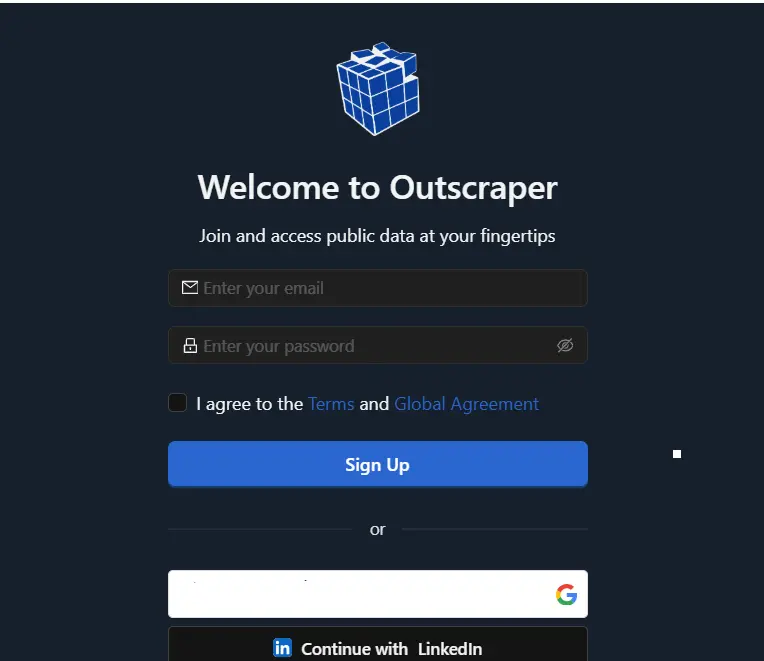
To begin using Outscraper, visit their website and sign up for an account. The registration process is straightforward and typically requires only basic information, or you can use your Gmail account to sign up.
Step 2: Explore the Dashboard
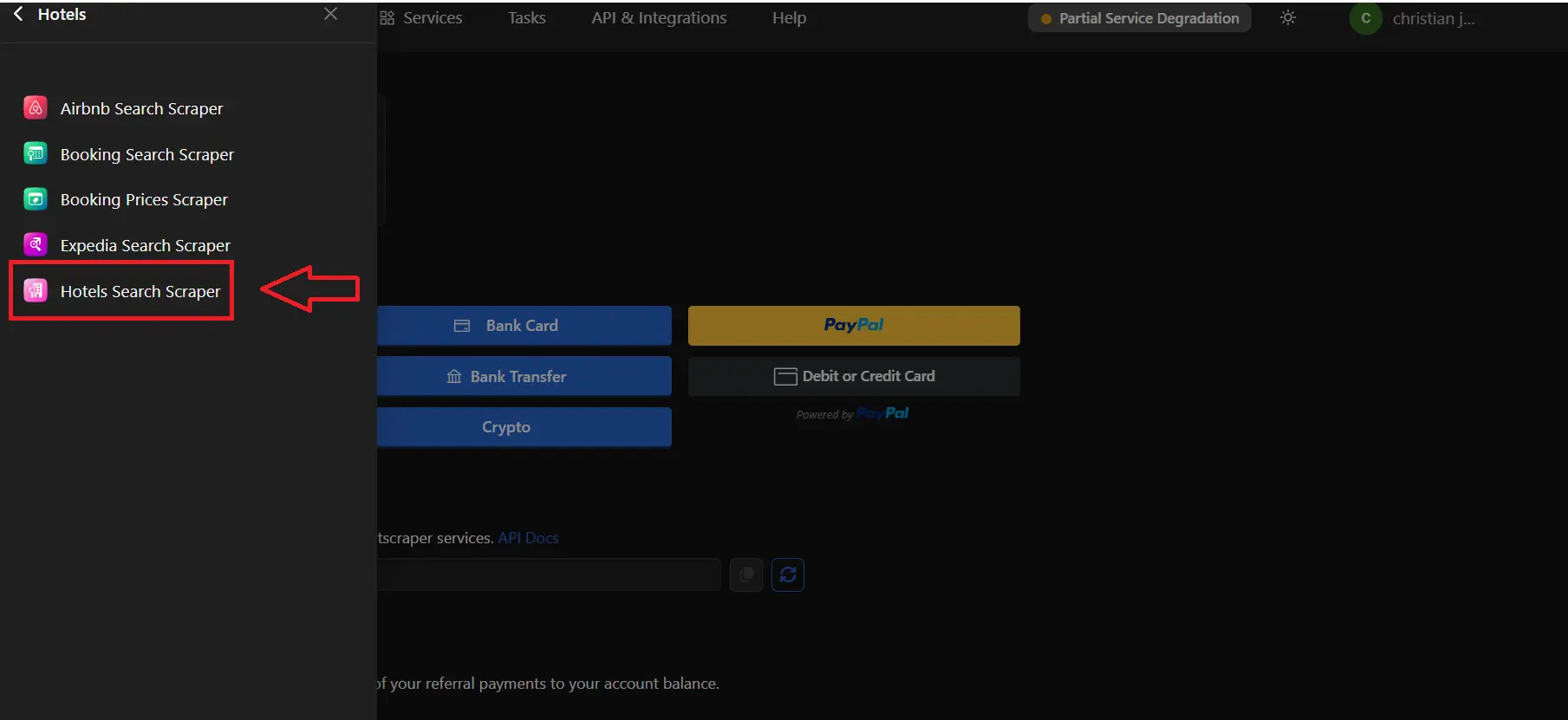
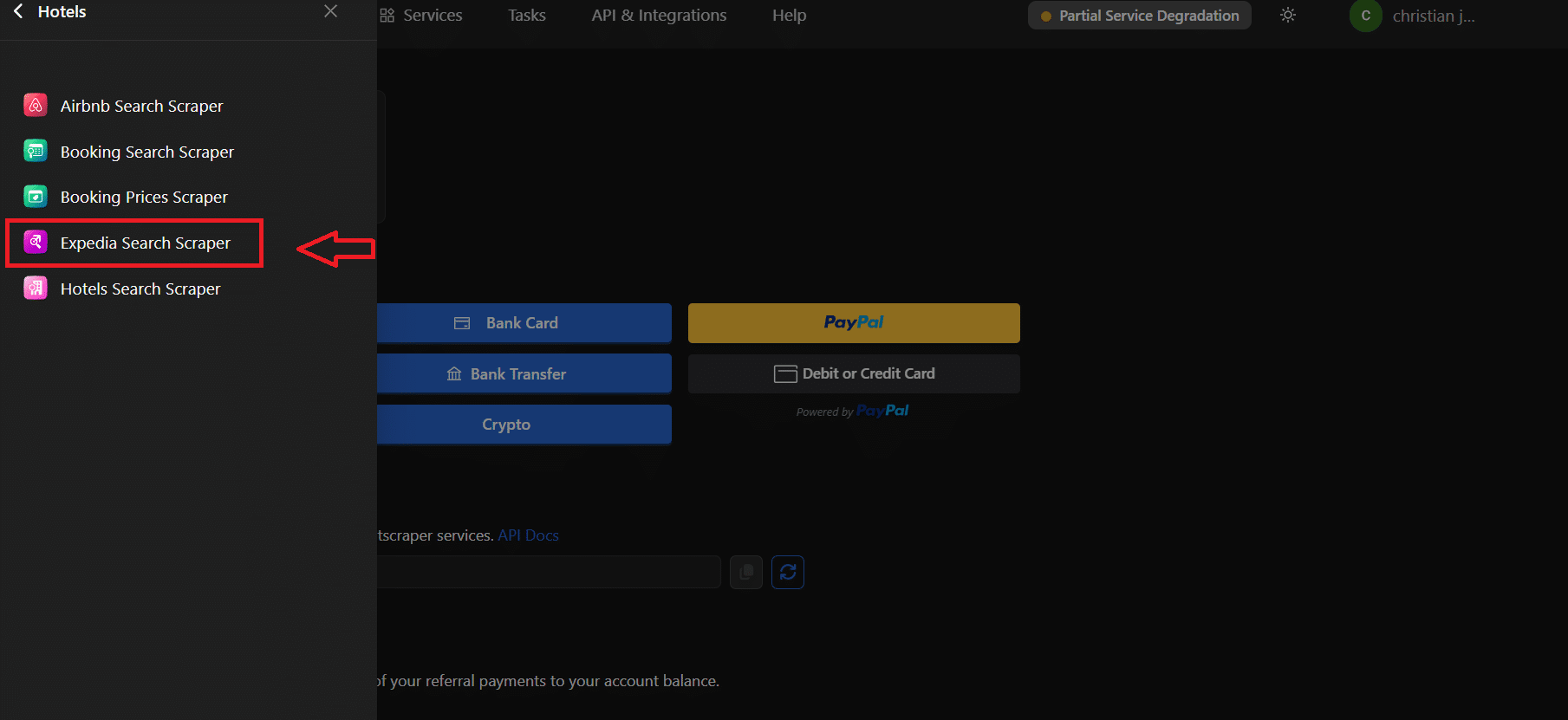
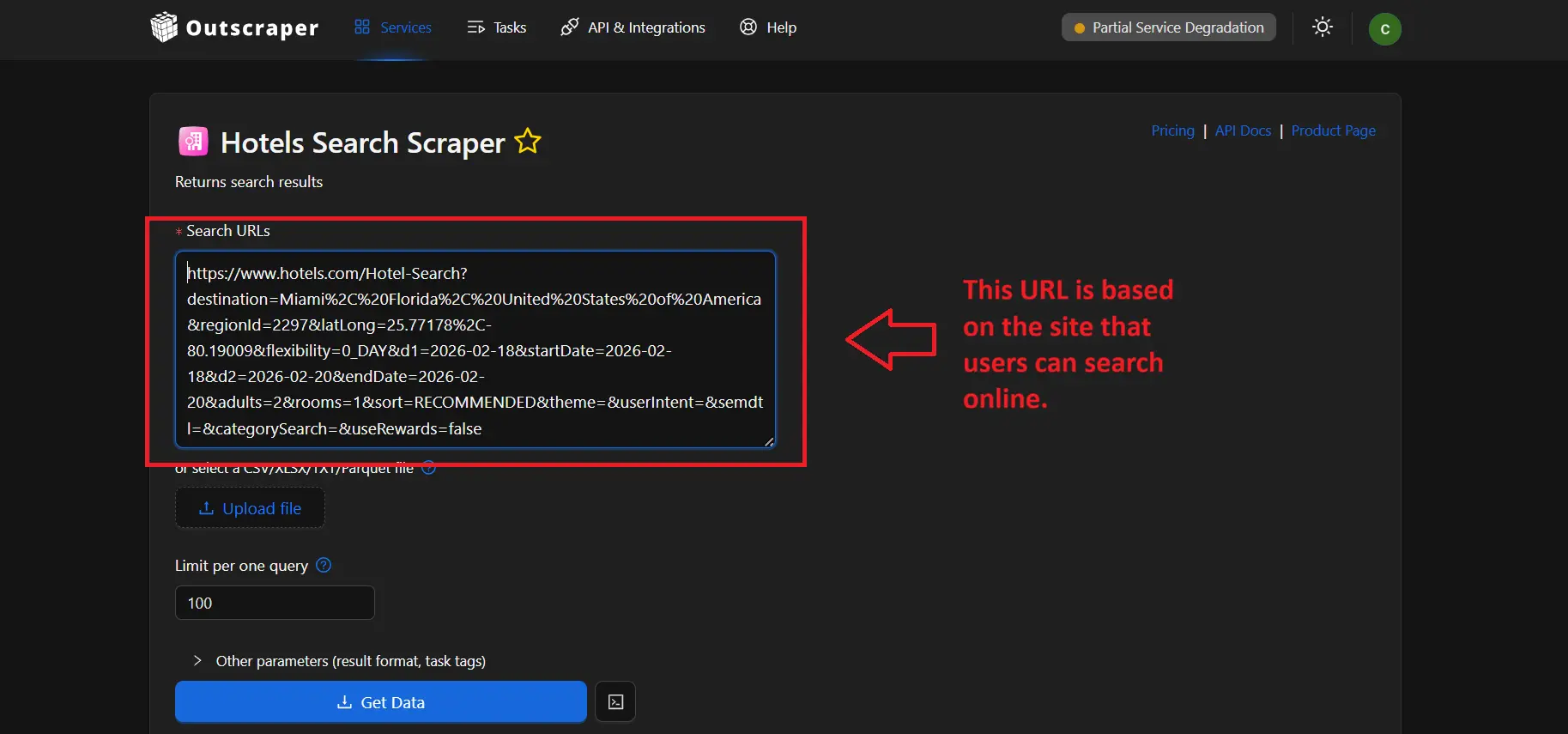
Once logged in, familiarize yourself with the dashboard. Here, you can access various scraping tools, manage your tasks, and view your data history. Использовать Hotel Search Scraper, Expedia Search Scraper, etc. for data extraction for the hotel database.
Step 3: Set Up Your First Scraping Task
- Choose a Data Source: Select the website or platform from which you want to extract data.
- Configure Parameters: Specify the data fields you wish to scrape, such as custom location, date of travel, number of travelers, etc.
- Copy URL from Data Source: URL is used на put on the scraper to есть structured data used to compare the отели available with amenities, prices, местоположение, and more.
Step 4: Monitor and Export Data
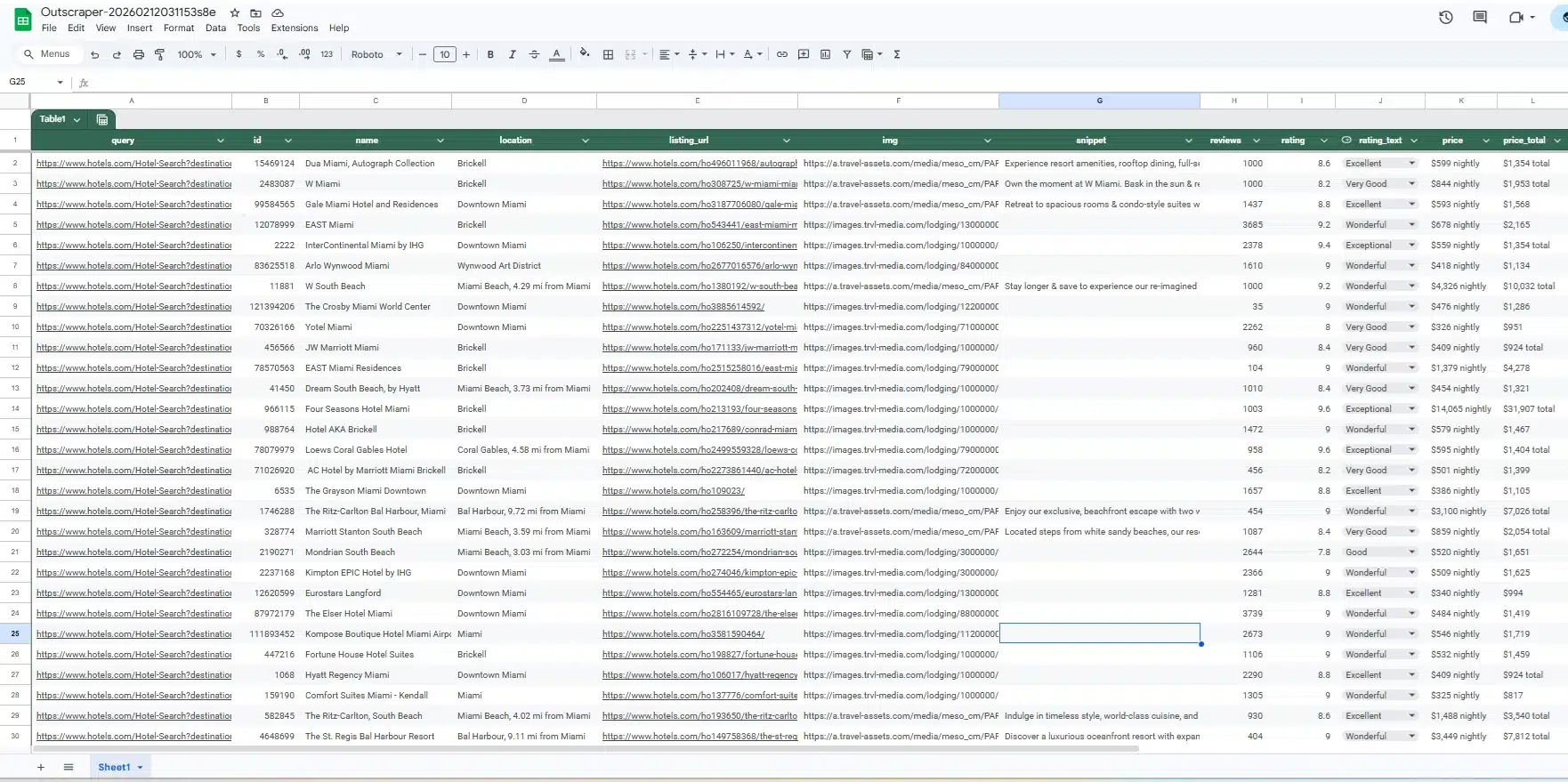
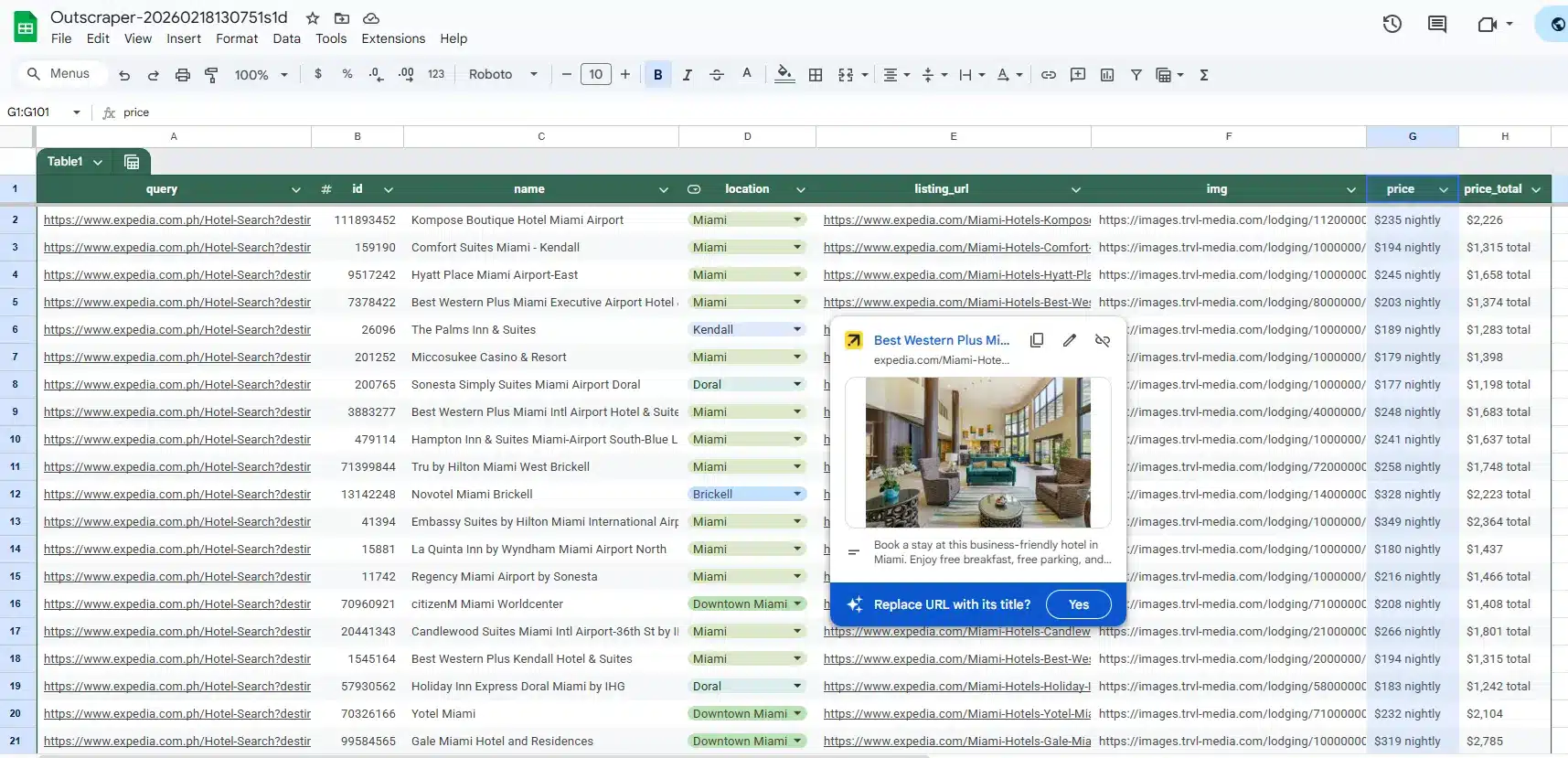
After initiating the scraping task, monitor its progress through the dashboard. Once completed, you can export the data in your preferred format (XLSX, CSV, JSON, or Parquet) for further analysis.
Заключение
Building a hotel price comparison website gives you a clear opportunity to solve a real problem. Travelers waste time checking multiple booking platforms, comparing inconsistent prices, and worrying about hidden fees. When you centralize hotel data, pricing, and reviews into one interface, you remove friction from their decision process.
To build a strong platform, focus on four core pillars. First, build a structured hotel database with accurate listings, locations, ratings, and amenities. Second, aggregate pricing from multiple sources and normalize it so users can compare offers side by side. Third, implement filtering, ranking, and sorting logic so users can narrow results by price, rating, and features. Fourth, maintain fresh data through scheduled updates so your platform stays reliable.
Using tools like Outscraper support the data collection. You can gather hotel listings, reviews, and publicly available information, then feed it into your database. From there, your value comes from how well you structure, clean, and present the data. The technology stack matters, but data quality and user experience determine success.
Часто Задаваемые Вопросы
Наиболее частые вопросы и ответы
A hotel price comparison website is an online platform that aggregates and compares room rates, availability, and deals for hotels (and often other accommodations like resorts or B&Bs) across multiple booking sites.
A Restaurant and Hospitality Business Database is a specialized dataset compiling detailed information on restaurants, hotels, and related hospitality venues for B2B purposes like lead generation and market analysis.
Location intelligence refers to the process of analyzing geospatial data, such as maps, demographics, traffic patterns, and points of interest, to derive actionable business insights.
Reputation management involves monitoring, influencing, and maintaining a positive public image for individuals, businesses, or brands, particularly online.
Sentiment analysis determines the emotional tone behind text data, classifying it as positive, negative, or neutral. Businesses apply it to customer feedback, social media, and reviews to gauge opinions and detect trends
Negative reviews signal customer dissatisfaction but can also enhance authenticity and drive sales from discerning buyers. They impact revenue by deterring impulse purchases while offering opportunities for improvement and engagement.
Qualifying opportunities from negative reviews involves scraping feedback for pain points, prioritizing high-intent signals like recent complaints, and personalizing outreach to convert dissatisfied businesses into leads.
Google Maps serves as a public mapping platform providing geospatial data on businesses, landmarks, and properties, including user-generated details like photos, reviews, and contact information, which supports lead generation in digital marketing




0 Комментарии